Dental Bone Grafting Before Implants: What You Need to Know
If your dentist has told you that you need bone grafting before a dental implant, you are not alone. It is one of the most common extra steps in implant treatment, and it is nothing to worry about. This guide explains why it is needed, what the procedure involves, how long recovery takes, and the typical cost range for patients in Vasundhara, Ghaziabad.
What Is Dental Bone Grafting?
Bone grafting is a minor surgical procedure that rebuilds or strengthens the jawbone in an area where it has become thin, soft, or shrunk. Dental implants need a certain amount of healthy bone around them to stay firm and stable for years, much like a fence post needs solid ground to stand upright. When that bone is lacking, a graft gives the implant a stronger foundation.
Why Does Bone Loss Happen?
- Teeth missing for a long time without replacement, causing the bone to shrink from lack of use
- Gum disease that has damaged the bone supporting the teeth
- An old tooth extraction where the socket was not preserved
- Injury or trauma to the jaw
- Long-term denture use that puts uneven pressure on the bone
Why Bone Grafting Matters Before Implants
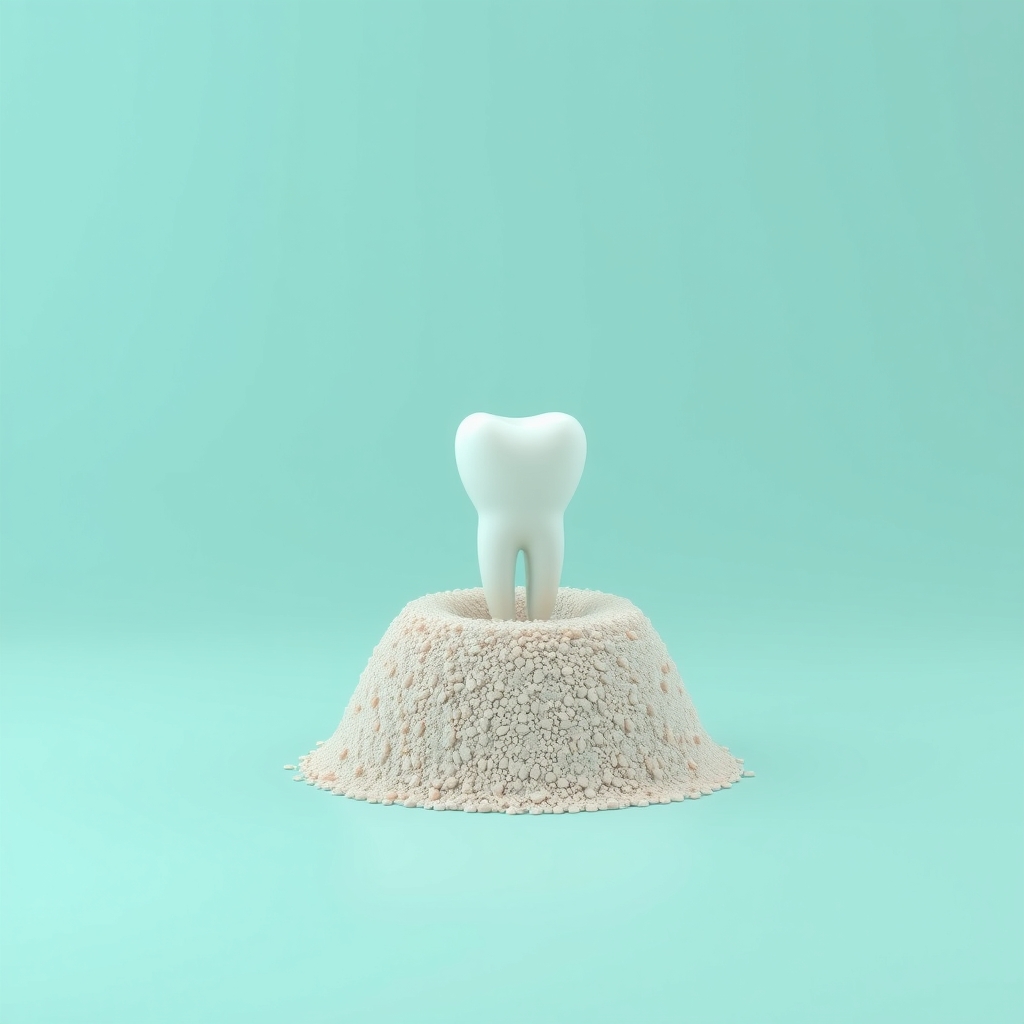
A dental implant is a titanium post placed directly into the jawbone. For it to fuse properly and support a crown that can handle daily chewing, the bone around it needs enough height, width, and density. Without this, the implant may not integrate well, and it could loosen or fail over time. Bone grafting lowers this risk by giving the implant the stable base it needs.
How the Bone Grafting Procedure Works
The procedure is usually straightforward and done under local anaesthesia at the clinic.
- Examination and scan: Your dentist reviews an X-ray or 3D scan to check how much bone you have and plan the graft precisely.
- Preparing the site: The gum is gently opened to access the bone area that needs building up.
- Placing the graft material: This may be your own bone, processed bone from a safe donor source, or a synthetic bone substitute, depending on your case.
- Closing and healing: The gum is stitched back, and the graft is left to heal and fuse with your natural bone over the following weeks and months.
Types of Bone Grafts Used
- Socket preservation: Done right after a tooth extraction to stop bone loss before it starts
- Ridge augmentation: Rebuilds width in a jaw that has thinned out
- Sinus lift: Adds bone height in the upper back jaw near the sinus area
- Block grafting: Used for larger areas of bone loss
Recovery Time After Bone Grafting
Recovery depends on the size of the graft and your overall healing ability.
- First week: Mild swelling, tenderness, and some bruising are normal. Soft foods and prescribed medication help manage this.
- 2 to 4 weeks: Initial soft tissue healing is usually complete, and daily discomfort settles down.
- 3 to 9 months: This is the time needed for the graft to fully fuse with your existing bone before an implant can be safely placed, depending on the graft type and size.
Your dentist will schedule follow-up visits to check healing progress before moving ahead with the implant.
Cost of Bone Grafting in India
Bone grafting costs vary based on the graft material used, the size of the area treated, and whether a sinus lift or larger procedure is needed. For patients in Vasundhara, Ghaziabad, the typical range for a simple bone graft is roughly Rs 8,000 to Rs 20,000 per site. More involved procedures, such as a sinus lift or block graft, typically fall between Rs 20,000 and Rs 45,000. These are general estimates only, and your dentist will confirm the actual cost after examining your scans and treatment needs.
| Procedure | Typical Range (INR) |
|---|---|
| Simple bone graft (small site) | 8,000 to 20,000 |
| Sinus lift or ridge augmentation | 20,000 to 45,000 |
| Socket preservation after extraction | 5,000 to 15,000 |
Caring for Your Graft Site at Home
- Eat soft foods for the first few days and avoid chewing directly on the graft site
- Avoid smoking, as it slows down healing and increases the risk of graft failure
- Rinse gently with a saltwater solution once your dentist advises you to start
- Take all prescribed medications as directed, and avoid skipping doses
- Attend every follow-up appointment so healing can be monitored properly
Bone grafting may feel like an extra step, but it plays a key role in making sure your dental implant lasts for years to come. If you have been told you need a bone graft, a detailed consultation can help you understand your specific case and realistic timeline for implant placement.
Have questions about your teeth?
RAMS Dental Clinic · Avaj Tower, 438, Sector 12, Vasundhara, Ghaziabad
Frequently asked questions
How do I know if I need a bone graft before an implant?
Your dentist checks this using a dental X-ray or 3D scan (CBCT) that measures the height and width of bone at the implant site. If the bone is too thin, soft, or short, grafting is usually recommended before or during implant placement.
Is bone grafting painful?
The procedure is done under local anaesthesia, so you should not feel pain during it. Mild swelling and discomfort for a few days afterward is normal and is managed with prescribed pain medication.
Can I get an implant on the same day as the bone graft?
Sometimes, if the bone loss is minor, a small graft can be placed at the same time as the implant. For larger bone loss, the graft needs to heal first, which can take a few months before the implant is placed.
Will my insurance or implant cost cover bone grafting?
Bone grafting is usually priced separately from the implant itself. It is best to ask for a written treatment plan at your consultation so you know the typical range for your specific case before starting treatment.
Treatment costs mentioned on this page are indicative ranges for the Vasundhara, Ghaziabad region. Your exact cost depends on your case and will be confirmed after a clinical examination at the clinic.