Chipped or Cracked Tooth Repair: Cosmetic Bonding Explained
A chipped or cracked tooth is one of the most common dental emergencies we see at our clinic in Vasundhara, Ghaziabad. It can happen from biting down on something hard, a minor fall, grinding at night, or an old cavity weakening the tooth structure. The good news is that most small to moderate chips and cracks can be repaired quickly and affordably using a technique called cosmetic bonding.
What Is Cosmetic Bonding?
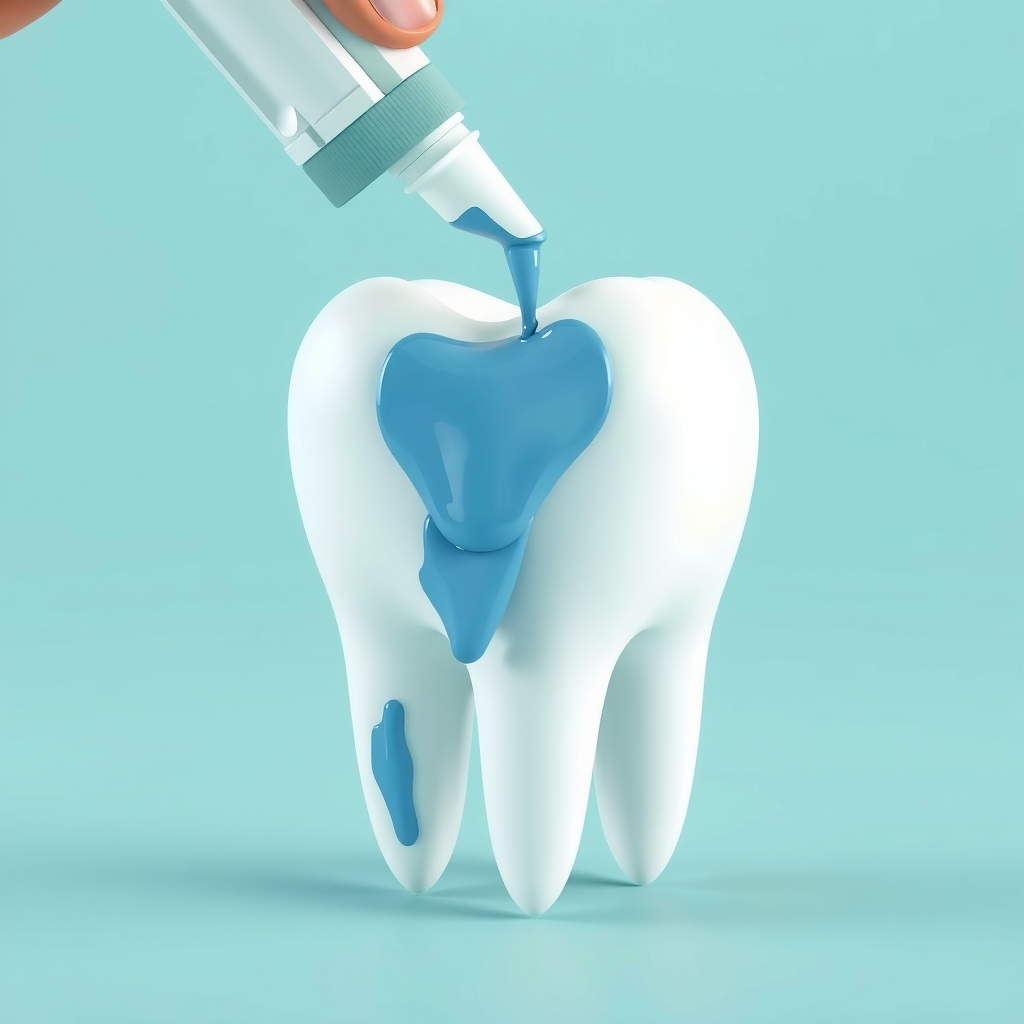
Cosmetic bonding, also called tooth bonding or composite bonding, uses a tooth-colored resin material to rebuild the missing or damaged part of the tooth. The resin is shaped to match the natural contour of your tooth and hardened using a special curing light. It blends in with your surrounding teeth, so the repair is barely noticeable.
Bonding is different from a filling in purpose, though the material is similar. Fillings treat cavities, while bonding is mainly used to restore the shape, strength, or appearance of a tooth after a chip, crack, gap, or discoloration.
How the Bonding Procedure Works
Bonding is usually completed in a single visit and does not require lab work. Here is what typically happens:
- Examination: The dentist checks the extent of the chip or crack, sometimes with an X-ray, to confirm the nerve is not affected.
- Shade matching: A resin shade is chosen to match your natural tooth color.
- Surface preparation: The tooth surface is gently roughened and a bonding agent is applied so the resin sticks well.
- Applying the resin: The composite material is layered onto the tooth and shaped to rebuild the missing structure.
- Curing: A curing light hardens each layer within seconds.
- Shaping and polishing: The dentist trims excess material, checks your bite, and polishes the tooth for a natural, smooth finish.
The entire process usually takes 30 to 60 minutes per tooth, and you can eat normally once the numbness (if any) wears off.
How Long Does Bonding Last?
Bonding is durable but not as strong as your natural tooth enamel or a crown. With reasonable care, it typically lasts 4 to 8 years. Its lifespan depends on:
- The size and location of the original chip or crack
- Whether you grind or clench your teeth at night
- Habits like biting nails, pens, or opening packets with your teeth
- How well you maintain daily brushing and flossing
If the bonded area chips again or looks stained over time, it can usually be smoothed, repaired, or redone without much difficulty.
When Bonding Is Not Enough
Bonding works well for minor to moderate damage, but some situations need a different approach:
- Cracks that extend below the gum line or into the root
- Large portions of the tooth missing, where a crown offers better strength
- Cracks causing sharp pain when biting, which may indicate nerve involvement
- Teeth that have already had a large filling and are structurally weak
In these cases, your dentist may recommend a crown, or in rare cases a root canal followed by a crown, to protect the tooth long-term.
Cost Factors for Tooth Bonding
The cost of bonding depends on the number of teeth involved, the size of the repair, and the complexity of shaping needed to match your bite and smile. In Vasundhara, Ghaziabad, the typical range for a single tooth bonding procedure is approximately Rs 1,500 to Rs 4,500 per tooth. Larger repairs or bonding on visible front teeth requiring detailed shading may fall on the higher end of this typical range.
| Factor | Effect on Cost |
|---|---|
| Size of chip or crack | Larger repairs need more material and time |
| Tooth location | Front teeth often need more precise shade matching |
| Number of teeth treated | Multiple teeth increase overall cost |
| Bite adjustment needed | More shaping and polishing time adds to cost |
Your dentist will give you an exact estimate after examining the tooth in person, since photos or descriptions alone cannot capture the full extent of the damage.
Caring for a Bonded Tooth
To help your bonding last as long as possible, avoid biting on hard objects like ice, pen caps, or fingernails. Brush twice daily with a soft-bristled brush and avoid excessive force. If you grind your teeth at night, ask your dentist about a night guard to protect both the bonding and your natural teeth. Routine dental check-ups every six months also help catch any early wear before it becomes a bigger problem.
Have questions about your teeth?
RAMS Dental Clinic · Avaj Tower, 438, Sector 12, Vasundhara, Ghaziabad
Frequently asked questions
Does bonding hurt?
No. Bonding rarely needs anesthesia because it does not usually touch the nerve. Most patients feel mild pressure at most during the procedure.
How long does dental bonding last?
Bonding typically lasts 4 to 8 years depending on the size of the chip, your bite pressure, and daily habits like nail biting or chewing ice. It can be touched up when needed.
Can a cracked tooth always be fixed with bonding?
Small chips and hairline cracks respond well to bonding. Larger cracks, cracks reaching the gum line, or those causing pain may need a crown or root canal evaluation instead.
Is bonding the same as a veneer?
No. Bonding is a direct repair done in one visit using tooth-colored resin. Veneers are custom-made shells bonded onto the tooth, usually needing two visits and higher cost.
Treatment costs mentioned on this page are indicative ranges for the Vasundhara, Ghaziabad region. Your exact cost depends on your case and will be confirmed after a clinical examination at the clinic.