How Nail Biting Damages Your Teeth and Jaw (And How to Stop)
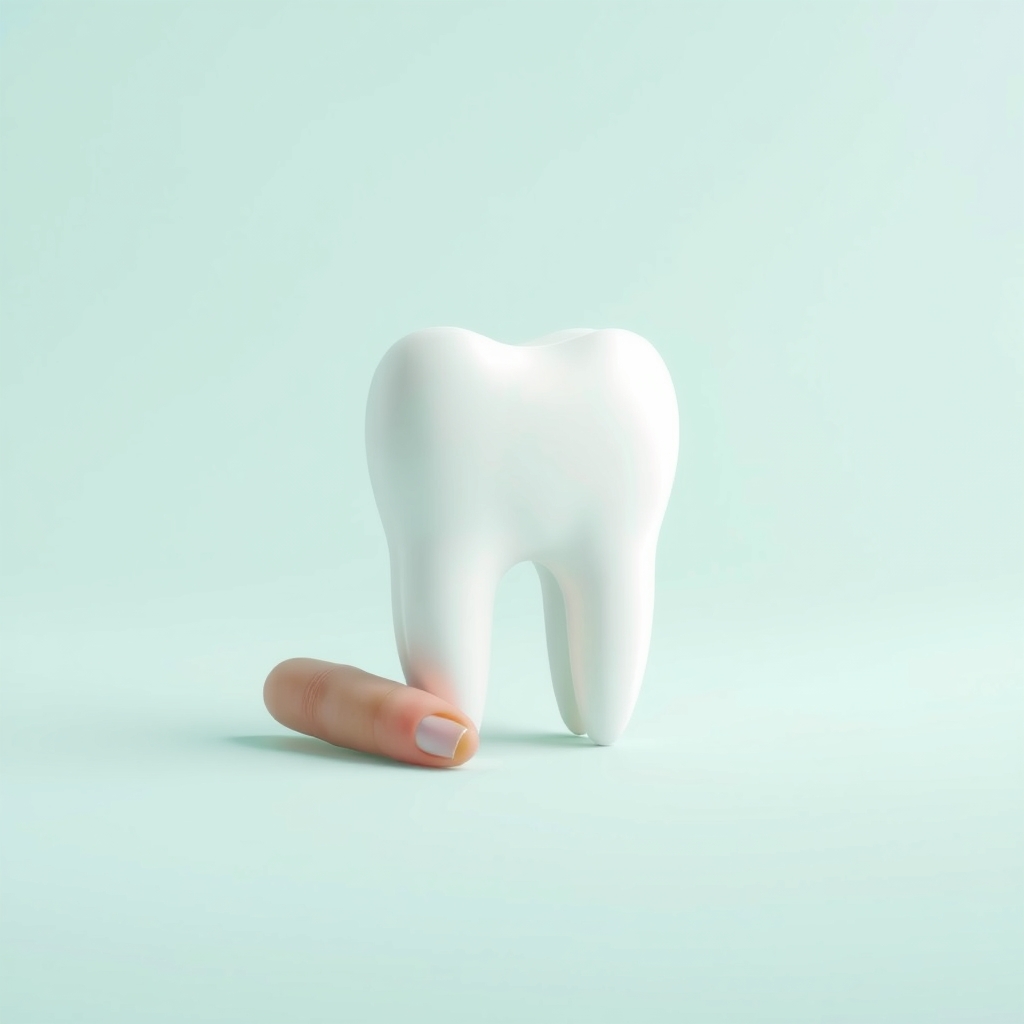
Nail biting is a common habit that many people in Vasundhara, Ghaziabad pick up in childhood and carry into adulthood, often without realizing the damage it can cause. While it may seem harmless, chronic nail biting places repeated stress on your teeth, bite alignment, and jaw joints. Over time, this small habit can lead to real dental problems that are harder and costlier to fix than the habit itself.
How Nail Biting Affects Your Teeth
Teeth are designed to handle the forces of chewing food, not the constant, uneven pressure of biting on hard keratin. Nails are tougher and more unpredictable in shape than food, which makes this habit particularly harsh on your enamel and tooth structure.
Enamel Wear and Chipping
Repeated nail biting can cause tiny cracks or chips, especially on the edges of the front teeth. Enamel does not regenerate once it is lost, so this damage is permanent. Over months and years, you may notice your front teeth looking slightly uneven, rougher at the edges, or more prone to chipping on hard foods.
Tooth Alignment Problems
Constantly pulling the jaw forward or sideways while biting nails can gradually shift the position of your front teeth. Some people develop small gaps, while others notice their bite feels slightly different over time. This is more likely if the habit started young and continued into the teenage years, alongside natural jaw development.
Increased Risk of Tooth Sensitivity and Infection
As enamel wears thin, the sensitive inner layer of the tooth can become exposed, leading to sensitivity to cold or sweet foods. Chipped or cracked teeth also create rough surfaces where bacteria can collect, raising the risk of decay and gum irritation near the affected tooth.
Effect on the Jaw Joint (TMJ)
The temporomandibular joint, or TMJ, connects your jawbone to your skull and allows you to chew, speak, and yawn. Nail biting often involves holding the jaw in an awkward, slightly forward or sideways position for extended periods. Combined with repetitive clenching, this can strain the jaw muscles and joint.
- Jaw clicking or popping sounds when opening the mouth
- Mild jaw pain or soreness, especially in the morning
- Difficulty opening the mouth fully
- Headaches linked to jaw tension
These symptoms are usually gradual and easy to dismiss, but they tend to worsen if the habit continues for years without any intervention.
Other Hidden Risks of Nail Biting
Beyond teeth and jaw concerns, nail biting introduces germs from under the nails directly into the mouth, which can increase the frequency of minor infections or mouth sores. It is also commonly linked to stress and anxiety, meaning the habit often continues unconsciously during tense moments at work, school, or home.
Practical Tips to Break the Habit
Quitting nail biting takes patience, but small, consistent changes can make a real difference.
- Keep nails trimmed short: Less nail length means less temptation and less material to bite.
- Use a bitter-tasting nail polish: These over-the-counter products make biting unpleasant and help build awareness of the habit.
- Identify your triggers: Notice if you bite nails during stress, boredom, or while watching screens, and replace the action with a stress ball or fidget tool.
- Wear a night guard: If biting happens alongside teeth grinding at night, a custom night guard can protect your teeth from both habits.
- Keep hands occupied: Simple activities like doodling, typing, or holding an object can reduce idle nail biting.
- Set small goals: Track nail-biting-free days instead of aiming for instant perfection, which keeps motivation realistic.
When to See a Dentist
If you notice chipped edges on your front teeth, a changing bite, or jaw discomfort, it is a good idea to get a dental check-up. A dentist can assess the extent of enamel wear, check your bite alignment, and rule out early TMJ strain. Catching these changes early often means simpler, more conservative treatment.
| Concern | Possible Treatment Approach | Typical Range (INR) |
|---|---|---|
| Minor enamel chipping | Dental bonding/reshaping | 1,500 to 4,000 per tooth |
| Mild bite misalignment | Consultation and monitoring, possible aligners | Varies after assessment |
| Jaw joint strain | Night guard or splint therapy | 3,000 to 8,000 |
These are typical ranges seen in Vasundhara, Ghaziabad and can vary based on the extent of damage and materials used. Your dentist can give you an accurate estimate after an examination.
Breaking a long-term nail biting habit is not always easy, but protecting your enamel, bite, and jaw joint makes the effort worthwhile. A simple check-up at RAMS Dental Clinic can help you understand exactly how the habit has affected your teeth so far and what steps can help you move forward comfortably.
Have questions about your teeth?
RAMS Dental Clinic · Avaj Tower, 438, Sector 12, Vasundhara, Ghaziabad
Frequently asked questions
Can nail biting really move my teeth?
Yes, if the habit is frequent and long-term. Repeated pressure from biting nails, especially on the front teeth, can gradually shift tooth position, cause small gaps, or worsen an existing bite problem.
Is nail biting linked to TMJ (jaw joint) problems?
It can be a contributing factor. Holding the jaw in an unusual position while biting nails and clenching the jaw during the habit can strain the jaw joint and surrounding muscles, especially in people who already grind their teeth.
My child bites their nails. Should I be worried about their teeth?
Occasional nail biting in children is common and often resolves on its own. If it becomes a daily habit, especially after permanent teeth come in, it is worth mentioning to your dentist at a regular check-up.
How can a dentist help me stop biting my nails?
A dentist can check for existing enamel wear or bite changes, suggest a mouthguard or bitter-tasting nail product, and refer you for behavioral support if the habit is stress-related.
Treatment costs mentioned on this page are indicative ranges for the Vasundhara, Ghaziabad region. Your exact cost depends on your case and will be confirmed after a clinical examination at the clinic.