Why Are Your Teeth Sensitive to Hot, Cold, or Sweet Foods?
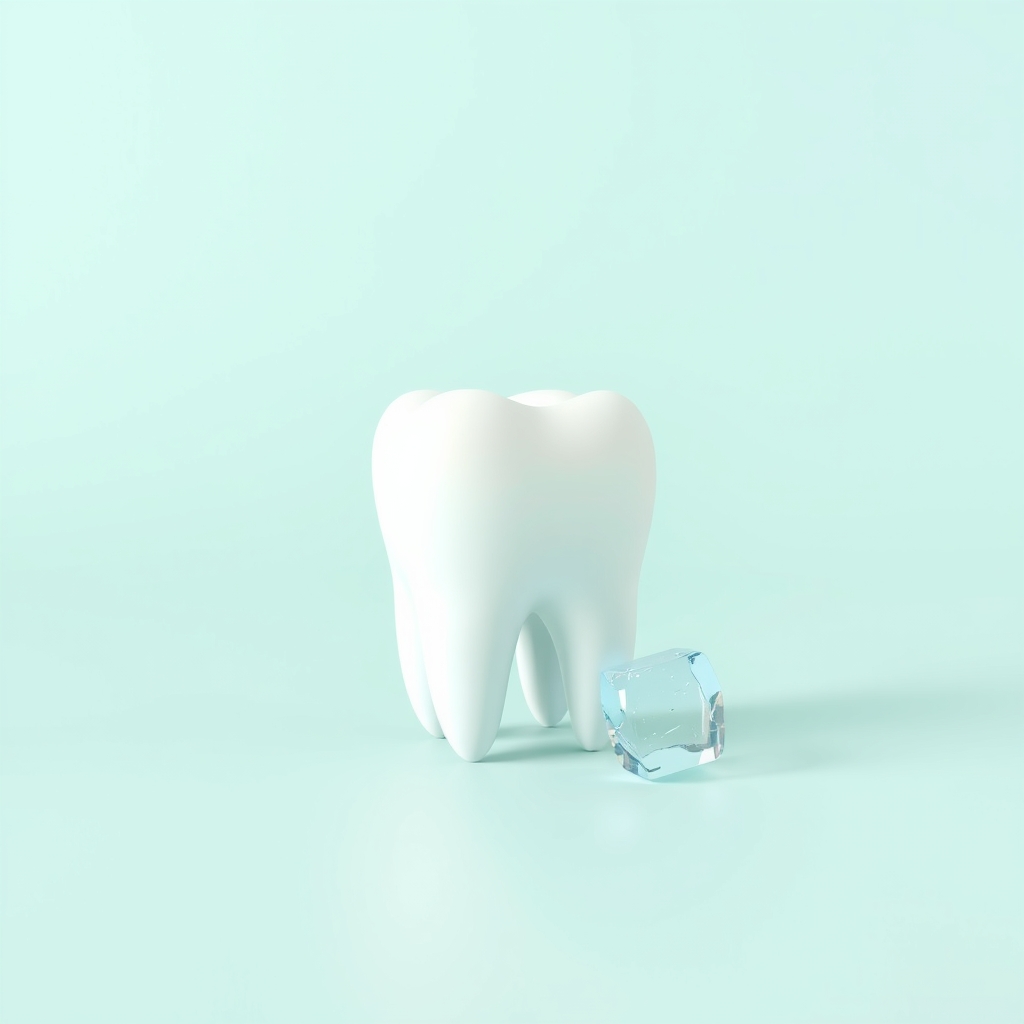
Feeling a sudden jolt of pain when you sip hot tea, bite into ice cream, or eat something sweet is a common experience. This is known as tooth sensitivity, and it happens to many people in Vasundhara, Ghaziabad at some point. Understanding why it occurs can help you decide whether home care is enough or if it is time to see a dentist.
What Causes Tooth Sensitivity?
Underneath the hard enamel of your teeth lies a layer called dentin, which contains tiny tubules connected to nerves. When enamel wears down or gums recede, these tubules get exposed. Hot, cold, sweet, or acidic foods then trigger a quick, sharp sensation because the nerves react to these stimuli.
Common Reasons for Sensitivity
- Worn enamel: Caused by brushing too hard, grinding teeth at night, or years of acidic food and drink.
- Gum recession: Exposes the tooth root, which does not have protective enamel.
- Tooth decay or cavities: Bacteria wear away enamel, creating direct pathways to the nerve.
- Cracked or chipped teeth: Small cracks let temperature and pressure reach the inner tooth layers.
- Recent dental work: Fillings, whitening treatments, or cleanings can cause temporary sensitivity that usually fades within a few days.
- Teeth grinding (bruxism): Often happens during sleep and gradually wears down enamel.
- Acidic diet: Frequent consumption of citrus fruits, carbonated drinks, or vinegar-based foods can soften enamel over time.
Home Care Tips for Mild Sensitivity
If your sensitivity is mild and occasional, a few simple changes at home can make a real difference.
- Switch to a soft-bristled toothbrush and brush gently in circular motions rather than scrubbing.
- Use a toothpaste made for sensitive teeth, ideally one containing potassium nitrate or stannous fluoride. Give it a few weeks of regular use to see the full benefit.
- Avoid brushing immediately after eating acidic foods or drinks. Rinse with plain water first and wait about thirty minutes.
- Cut back on sugary and acidic snacks, and rinse your mouth with water after consuming them.
- If you grind your teeth at night, ask your dentist about a night guard to protect your enamel.
- Avoid extremely hot or cold foods until sensitivity settles, and try lukewarm options in the meantime.
When Home Care Is Not Enough
Mild sensitivity that responds to toothpaste and gentler brushing is generally not a cause for worry. However, some signs suggest a deeper issue that needs professional attention.
Signs You Should See a Dentist
- Sensitivity that lasts more than two to three weeks despite home care
- Sharp pain that lingers for several minutes after eating or drinking
- Pain when biting down or chewing
- Visible cracks, chips, or dark spots on the tooth
- Swelling, bleeding gums, or a bad taste in the mouth
- Sensitivity in just one tooth rather than several
These symptoms can point to cavities, gum disease, a cracked tooth, or in some cases a problem with the tooth's nerve that may need a root canal. Getting an early diagnosis at a dental clinic in Vasundhara, Ghaziabad can prevent the problem from becoming more serious and costly to treat.
How a Dentist Diagnoses Sensitivity
During a visit, the dentist will examine your teeth and gums, check for visible decay or cracks, and may take an X-ray to look beneath the surface. They will also ask about your brushing habits, diet, and whether you grind your teeth. Based on the cause, treatment could involve a fluoride application, a filling, a bonding procedure to cover exposed roots, gum treatment, or a night guard for grinding.
| Cause | Possible Treatment | Typical Range (INR) |
|---|---|---|
| Mild enamel wear | Fluoride application or desensitising gel | 500 to 1,500 |
| Small cavity | Tooth-colored filling | 1,000 to 3,000 |
| Gum recession | Gum treatment or bonding | 2,000 to 6,000 |
| Cracked tooth affecting nerve | Root canal treatment | 5,000 to 12,000 |
These figures are a typical range and can vary based on the tooth involved and the extent of treatment needed. Your dentist will confirm exact costs after an examination.
Preventing Future Sensitivity
Good oral hygiene, regular dental checkups every six months, and moderating acidic or sugary foods go a long way in keeping your teeth comfortable. If you notice sensitivity creeping in, addressing it early with simple home care often prevents the need for more involved treatment later.
Have questions about your teeth?
RAMS Dental Clinic · Avaj Tower, 438, Sector 12, Vasundhara, Ghaziabad
Frequently asked questions
Is tooth sensitivity always a sign of a serious problem?
Not always. Mild sensitivity from cold air or ice cream is often due to worn enamel or slight gum recession. But sensitivity that is sharp, lasts long, or comes with pain when biting can point to a cavity or cracked tooth that needs a dental check.
Which toothpaste is best for sensitive teeth?
Toothpaste with potassium nitrate or stannous fluoride, sold as desensitising toothpaste, is a good starting point. Use it twice daily and give it two to four weeks to show results before judging its effect.
Can sensitivity go away on its own?
Mild sensitivity from a recent whitening session or cold weather can settle in a few days. However, sensitivity caused by decay, gum recession, or a cracked tooth usually will not go away without treatment.
How much does treating tooth sensitivity cost in Vasundhara, Ghaziabad?
It depends on the cause. A simple desensitising treatment or fluoride application may fall in a typical range of a few hundred rupees, while a filling or gum treatment costs more. Your dentist can give an exact estimate after examination.
Treatment costs mentioned on this page are indicative ranges for the Vasundhara, Ghaziabad region. Your exact cost depends on your case and will be confirmed after a clinical examination at the clinic.