Dental Bridge Options: Which One Is Right for Your Missing Tooth?
Losing a tooth is common, whether from decay, injury, or gum disease, but leaving the gap unfilled can lead to shifting teeth, bite problems, and even bone loss over time. A dental bridge is one of the most reliable ways to fill that gap. At RAMS Dental Clinic in Vasundhara, Ghaziabad, patients often ask which type of bridge suits them best. This guide explains the main options and their typical costs so you can make an informed decision.
What Is a Dental Bridge?
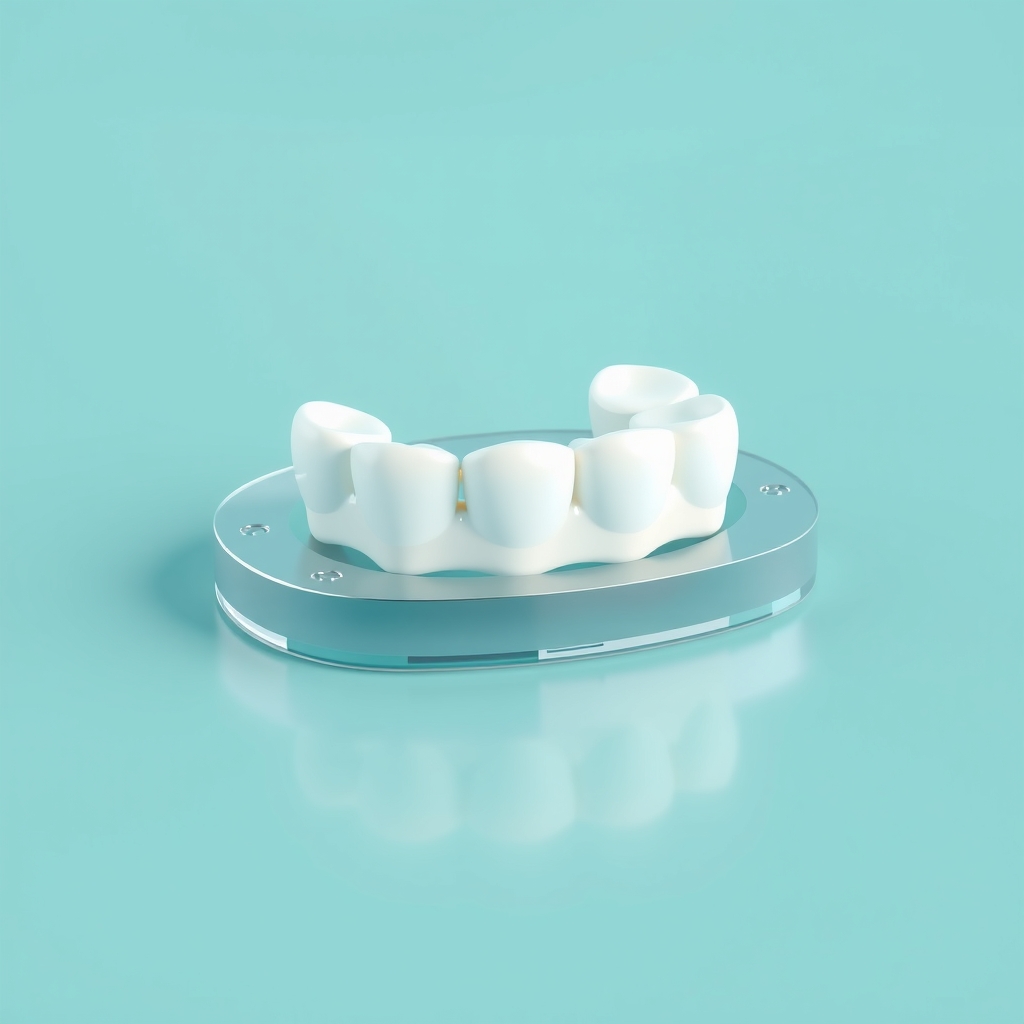
A dental bridge replaces one or more missing teeth by anchoring a false tooth, called a pontic, to the teeth or implants on either side of the gap. Bridges are fixed in place, meaning you do not remove them for cleaning like a denture. They restore chewing ability, support facial shape, and prevent nearby teeth from drifting into the empty space.
Types of Dental Bridges
Traditional Bridge
This is the most commonly used bridge. The teeth on both sides of the gap are shaped and capped with crowns, which hold the false tooth firmly between them. It works well when the neighbouring teeth are healthy enough to support crowns or already need one.
Cantilever Bridge
A cantilever bridge is supported by a crown on only one side of the gap, rather than both. It is generally considered when there is only one healthy tooth next to the missing space. Because it relies on a single support, it may not be ideal for areas that take heavy chewing pressure, such as back molars.
Maryland Bridge
A Maryland bridge uses a metal or porcelain framework bonded to the back of the neighbouring teeth instead of full crowns. This means less of the natural tooth is altered, making it a more conservative option. It is often used for front teeth where appearance matters and biting force is lower.
Implant-Supported Bridge
Instead of relying on natural teeth, this bridge is anchored to one or more dental implants placed in the jawbone. It is a good choice when multiple teeth are missing in a row, or when a patient prefers not to alter healthy adjacent teeth. It typically requires a healing period after implant placement before the bridge is fitted.
Comparing the Options
| Bridge Type | Support Needed | Best Suited For | Typical Range (INR)* |
|---|---|---|---|
| Traditional | Crowns on both sides | Healthy teeth on both sides of gap | 15,000 to 40,000 per unit |
| Cantilever | Crown on one side | Single healthy tooth available, front or lighter-bite areas | 15,000 to 35,000 per unit |
| Maryland | Bonded wings, minimal shaping | Front teeth, conservative approach | 12,000 to 30,000 per unit |
| Implant-Supported | One or more implants | Multiple missing teeth, avoiding natural tooth reduction | 35,000 to 60,000+ per implant, plus bridge cost |
*These are typical ranges seen in Vasundhara, Ghaziabad, and can vary based on the material used, number of teeth replaced, and the complexity of your case. Your dentist will confirm exact costs after an examination and X-rays.
Factors That Affect Your Choice
- Condition of adjacent teeth: Strong, healthy teeth on both sides favour a traditional bridge, while a single supporting tooth suggests a cantilever design.
- Number of missing teeth: Several teeth in a row are often better supported by implants rather than a long span bridge on natural teeth.
- Bone health: Implant-supported bridges need adequate jawbone density, which your dentist can assess with a scan.
- Budget and timeline: Traditional and Maryland bridges are usually completed faster and may cost less upfront compared to implant-supported options.
- Aesthetic priorities: Front tooth replacements often benefit from Maryland bridges or implants for a natural appearance.
Caring for Your Bridge
Whichever bridge you choose, daily cleaning underneath the pontic is essential to prevent gum irritation and decay in the supporting teeth. Using a floss threader, water flosser, or interdental brush, along with routine check-ups, helps your bridge last for many years.
Making the Right Choice
There is no single best bridge for everyone. The right option depends on your oral health, the number of teeth missing, and your long-term goals. A thorough dental examination, including X-rays, is the best starting point to understand which type of bridge suits your mouth and budget. If you are in Vasundhara, Ghaziabad, and considering a bridge to replace a missing tooth, a personalised consultation can help you weigh the options clearly.
Have questions about your teeth?
RAMS Dental Clinic · Avaj Tower, 438, Sector 12, Vasundhara, Ghaziabad
Frequently asked questions
Which type of bridge lasts the longest?
Implant-supported bridges generally last the longest because they do not depend on neighbouring teeth and place less stress on natural tooth structure. Traditional bridges also last well, often 10 to 15 years, with good oral hygiene and regular check-ups.
Is a bridge better than a dental implant for a single missing tooth?
Both are good options. A single implant avoids touching neighbouring teeth, while a traditional bridge may suit patients who prefer to avoid surgery or need a faster, lower-cost solution. Your dentist can advise based on your bone health, budget, and the condition of adjacent teeth.
Does a dental bridge need special care?
Yes. Bridges need daily cleaning with a floss threader or interdental brush under the false tooth, along with regular brushing. Routine dental visits help catch any decay in the supporting teeth early.
How long does it take to get a dental bridge?
A traditional or Maryland bridge usually takes two visits over one to two weeks. An implant-supported bridge takes longer, often two to six months, since it involves healing time after implant placement.
Treatment costs mentioned on this page are indicative ranges for the Vasundhara, Ghaziabad region. Your exact cost depends on your case and will be confirmed after a clinical examination at the clinic.