Why Dental Implants Fail and How to Prevent Complications
Dental implants have a strong track record and work well for most people in Vasundhara, Ghaziabad who choose them to replace missing teeth. Still, it is natural to feel anxious about pain, looseness, or the possibility of failure after getting one. Understanding why implants sometimes fail and knowing the early warning signs can help you act quickly and protect your investment.
Why Dental Implants Fail
Implant failure is not common, but it does happen for specific, often preventable reasons.
Peri-implantitis (Gum Infection Around the Implant)
This is the most frequent cause of long-term implant failure. Bacteria build up around the implant, causing inflammation and gradual loss of the bone that holds it in place. It behaves much like gum disease around natural teeth and is closely linked to poor oral hygiene.
Insufficient Bone Support
Implants need enough healthy jawbone to fuse with properly, a process called osseointegration. If bone density is low or the implant was not positioned ideally, it may never integrate securely, leading to early looseness.
Excess Bite Force or Grinding
Clenching or grinding your teeth, especially at night, places repeated stress on an implant. Over time, this can loosen the implant or crack the crown attached to it.
Smoking and Certain Health Conditions
Smoking reduces blood flow to the gums and slows healing, significantly raising failure risk. Uncontrolled diabetes, osteoporosis treated with certain medications, and autoimmune conditions can also interfere with healing and long-term stability.
Implant Placement Issues
Rarely, an implant placed at the wrong angle or depth, or one that is overloaded too soon with a crown, may fail to integrate properly from the start.
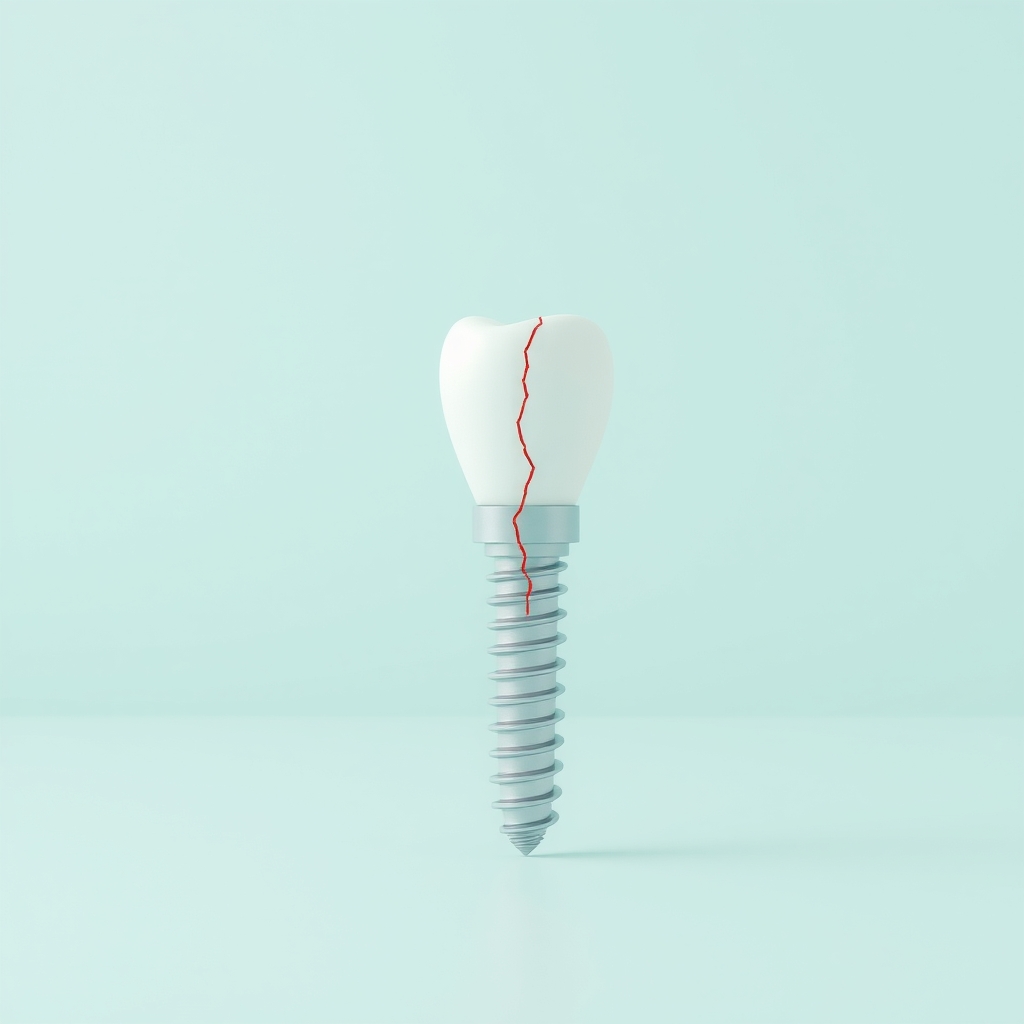
Warning Signs to Watch For
Catching problems early makes treatment much simpler. Contact your dentist if you notice:
- Persistent pain or throbbing that does not improve with time
- Swelling, redness, or bleeding gums around the implant
- A loose or shifting implant or crown
- Difficulty chewing on that side, or a change in your bite
- Visible gum recession exposing part of the implant
- A bad taste or odor near the implant site
Some mild tenderness and swelling is expected for a few days after placement. Symptoms that worsen after the first week, or appear months or years later, deserve prompt attention.
| Symptom | Likely Cause | What To Do |
|---|---|---|
| Gum bleeding, bad breath | Peri-implantitis (early stage) | See your dentist for deep cleaning and evaluation |
| Implant feels loose | Bone loss or screw loosening | Get an X-ray and checkup promptly |
| Sharp pain while chewing | Bite misalignment or cracked crown | Request a bite adjustment or crown check |
| Dull ache, months later | Possible late-stage infection | Schedule a review visit without delay |
How to Prevent Implant Complications
Maintain Excellent Oral Hygiene
Brush twice daily and clean around the implant with floss or interdental brushes designed for implants. Plaque buildup around the implant base is the leading trigger for peri-implantitis.
Keep Up with Regular Dental Checkups
Routine visits allow your dentist to monitor bone levels, gum health, and the stability of the implant and crown, catching small issues before they become serious.
Address Teeth Grinding
If you grind your teeth, a custom night guard can protect your implant from excessive force and extend its lifespan significantly.
Avoid Smoking
Quitting or avoiding smoking improves healing and significantly reduces the risk of implant failure, both in the early healing phase and over the long term.
Manage Underlying Health Conditions
Keeping diabetes well controlled and discussing bone-related medications with your dentist beforehand helps ensure a stable foundation for the implant.
Choose Experienced Care
Proper planning, including evaluating bone quality and placing the implant at the correct angle, greatly reduces the chances of problems down the line.
If you are experiencing discomfort, looseness, or simply want a checkup for peace of mind, the team at RAMS Dental Clinic in Vasundhara, Ghaziabad can assess your implant and guide you on the right next steps.
Have questions about your teeth?
RAMS Dental Clinic · Avaj Tower, 438, Sector 12, Vasundhara, Ghaziabad
Frequently asked questions
How common is dental implant failure?
Most studies show success rates of around 90 to 95 percent over ten years. Failure is uncommon but possible, especially with gum disease, smoking, or poor bone support.
Can a failing implant be saved?
Sometimes, if caught early. Treating gum infection around the implant, adjusting bite forces, or tightening a loose crown can often resolve the problem before the implant needs removal.
How long after implant placement do problems usually show up?
Early failures often appear within the first three to six months while the implant is integrating with bone. Late failures can happen years later, usually due to gum infection or excess bite force.
Does pain always mean my implant is failing?
Not necessarily. Mild soreness after surgery or minor sensitivity to pressure can be normal initially. Persistent pain, throbbing, or pain that worsens over time should be checked promptly.
Treatment costs mentioned on this page are indicative ranges for the Vasundhara, Ghaziabad region. Your exact cost depends on your case and will be confirmed after a clinical examination at the clinic.