Gum Disease Explained: From Gingivitis to Advanced Periodontitis
Many patients in Vasundhara, Ghaziabad first notice gum disease when they see pink in the sink after brushing or feel their gums look slightly swollen. Gum disease rarely appears suddenly. It develops in stages, and understanding where you stand helps you make sense of your diagnosis and the treatment plan your dentist suggests.
How Gum Disease Develops
Gum disease begins with plaque, a sticky film of bacteria that forms on teeth daily. When plaque is not removed through regular brushing and flossing, it hardens into tartar, which irritates the gums and allows bacteria to multiply below the gumline. Left untreated, this irritation can progress from a mild, reversible condition into a more serious infection that damages the bone supporting your teeth.
Stage 1: Gingivitis
This is the earliest and only fully reversible stage. Signs include red, puffy gums, mild bleeding during brushing or flossing, and sometimes bad breath. At this point, there is no bone loss. A professional cleaning combined with better home care can restore the gums to health.
Stage 2: Early Periodontitis
If gingivitis is ignored, bacteria move deeper and begin to affect the bone and fibres holding the tooth in place. Gum pockets start to form, measuring around 4 to 5 mm instead of the healthy 1 to 3 mm. You may notice gums pulling away slightly from the teeth, persistent bad breath, or occasional tenderness.
Stage 3: Moderate Periodontitis
Pocket depths increase further, and bone loss becomes visible on dental X-rays. Teeth may start to feel slightly loose, and gums may recede more noticeably. Some patients also notice gaps appearing between teeth that were not there before.
Stage 4: Advanced Periodontitis
This is the most severe stage, with significant bone loss, deep pockets often beyond 6 mm, pus formation, and noticeable tooth mobility. Without treatment, teeth can shift, loosen further, or eventually be lost.
How Dentists Diagnose the Stage
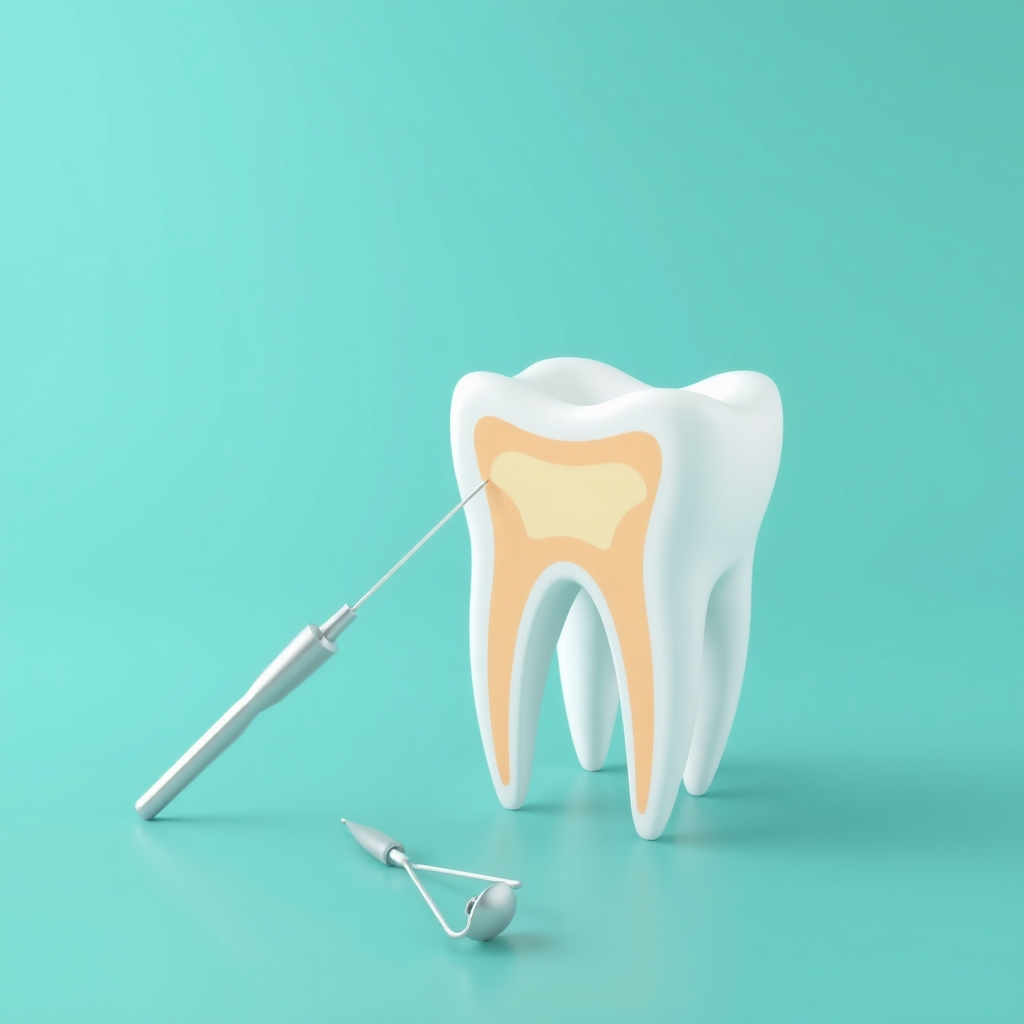
Diagnosis is not based on guesswork. Your dentist will usually check the following:
- Pocket depth measurements around each tooth using a small probe
- Gum bleeding and inflammation on gentle probing
- Amount of bone loss visible on dental X-rays
- Tooth mobility and any visible gum recession
- Presence of plaque, tartar, or pus
These findings together determine whether you have gingivitis or which stage of periodontitis is present, which then guides the treatment plan.
Treatment Options by Stage
Professional Cleaning for Gingivitis
A routine scale and polish removes plaque and tartar above and slightly below the gumline. Combined with consistent brushing twice daily and flossing, gums typically heal within two to four weeks.
Scaling and Root Planing for Early to Moderate Periodontitis
Often called deep cleaning, this procedure removes tartar and bacterial toxins from below the gumline and smooths the tooth root surfaces so gums can reattach more easily. It is usually done in one or two sittings under local anaesthesia and may be followed by a review visit to check healing and pocket depths.
Surgical Treatment for Advanced Cases
When pockets remain deep after deep cleaning or bone loss is significant, surgical options may be considered, such as:
- Flap surgery to access and clean deeper areas and reduce pocket depth
- Bone grafting to help rebuild areas of bone loss
- Gum grafting to cover exposed roots and reduce sensitivity
These procedures aim to stabilise the gums and slow further damage rather than reverse all the effects of long-standing disease.
| Stage | Pocket Depth | Bone Loss | Typical Treatment |
|---|---|---|---|
| Gingivitis | 1-3 mm | None | Cleaning and home care |
| Early Periodontitis | 4-5 mm | Minimal | Scaling and root planing |
| Moderate Periodontitis | 5-6 mm | Moderate | Deep cleaning, possible follow-up |
| Advanced Periodontitis | 6 mm+ | Significant | Surgery may be considered |
Cost Considerations in Vasundhara, Ghaziabad
Costs depend on the stage of disease, number of teeth involved, and whether surgery is required. As a general guide for patients in Vasundhara, Ghaziabad, a routine cleaning typically falls in the range of INR 1,500 to 3,000, while scaling and root planing typically ranges from INR 3,000 to 8,000 depending on the extent of treatment needed. Surgical procedures typically range higher and vary based on complexity. Your dentist can give you a clearer estimate after an examination.
Maintaining Healthy Gums After Treatment
Once treated, gum disease needs ongoing care to prevent recurrence. This includes brushing twice a day with a soft brush, daily flossing or using a water flosser, and regular dental check-ups every three to six months depending on your gum health. Smoking cessation and good control of conditions like diabetes also play an important role in keeping gums stable long term.
Have questions about your teeth?
RAMS Dental Clinic · Avaj Tower, 438, Sector 12, Vasundhara, Ghaziabad
Frequently asked questions
Can gingivitis be reversed completely?
Yes. Gingivitis affects only the gum tissue and has not damaged bone yet. With proper brushing, flossing, and a professional cleaning, the gums usually heal fully within a few weeks.
Is scaling and root planing painful?
Most patients feel mild discomfort at most. The area is numbed with local anaesthesia before deep cleaning, and any soreness afterward is usually manageable with over-the-counter pain relief.
How do I know if I need gum surgery?
Surgery is usually considered only when deep cleaning does not resolve pockets deeper than 5 to 6 mm or when bone loss is significant. Your dentist will measure pocket depths and take X-rays before recommending this.
Will I lose my teeth if I have periodontitis?
Not necessarily. Many cases of periodontitis can be controlled and stabilised with timely treatment and consistent maintenance visits, which helps preserve the remaining teeth and bone support.
Treatment costs mentioned on this page are indicative ranges for the Vasundhara, Ghaziabad region. Your exact cost depends on your case and will be confirmed after a clinical examination at the clinic.