Is Chewing Gum Good or Bad for Your Teeth?
Many of our patients in Vasundhara, Ghaziabad ask us the same question during routine checkups: is chewing gum actually good for your teeth, or is it just a habit with no real benefit? The honest answer is that it depends entirely on the type of gum and how often you chew it. Sugar-free gum can genuinely support your oral health, while sugary gum and overchewing can quietly work against you.
How Sugar-Free Gum Helps Prevent Cavities
Chewing stimulates your salivary glands to produce more saliva. Saliva is your mouth's natural defence system. It washes away leftover food particles, neutralises the acids produced by bacteria after meals, and carries calcium and phosphate that help re-mineralise the early weak spots on your enamel.
When you chew sugar-free gum, especially after a meal or snack, you boost this saliva flow without adding more sugar for cavity-causing bacteria to feed on. This is particularly useful when brushing right away is not possible, such as after lunch at work or school.
Why Xylitol Gum Gets Special Mention
Some sugar-free gums use xylitol as a sweetener instead of sugar. Xylitol is not just neutral, it can actively reduce the activity of Streptococcus mutans, the main bacteria responsible for tooth decay. Dentists often recommend xylitol gum as a simple addition to a cavity prevention routine, particularly for people who are prone to dry mouth or frequent cavities.
Why Sugary Gum Works Against Your Teeth
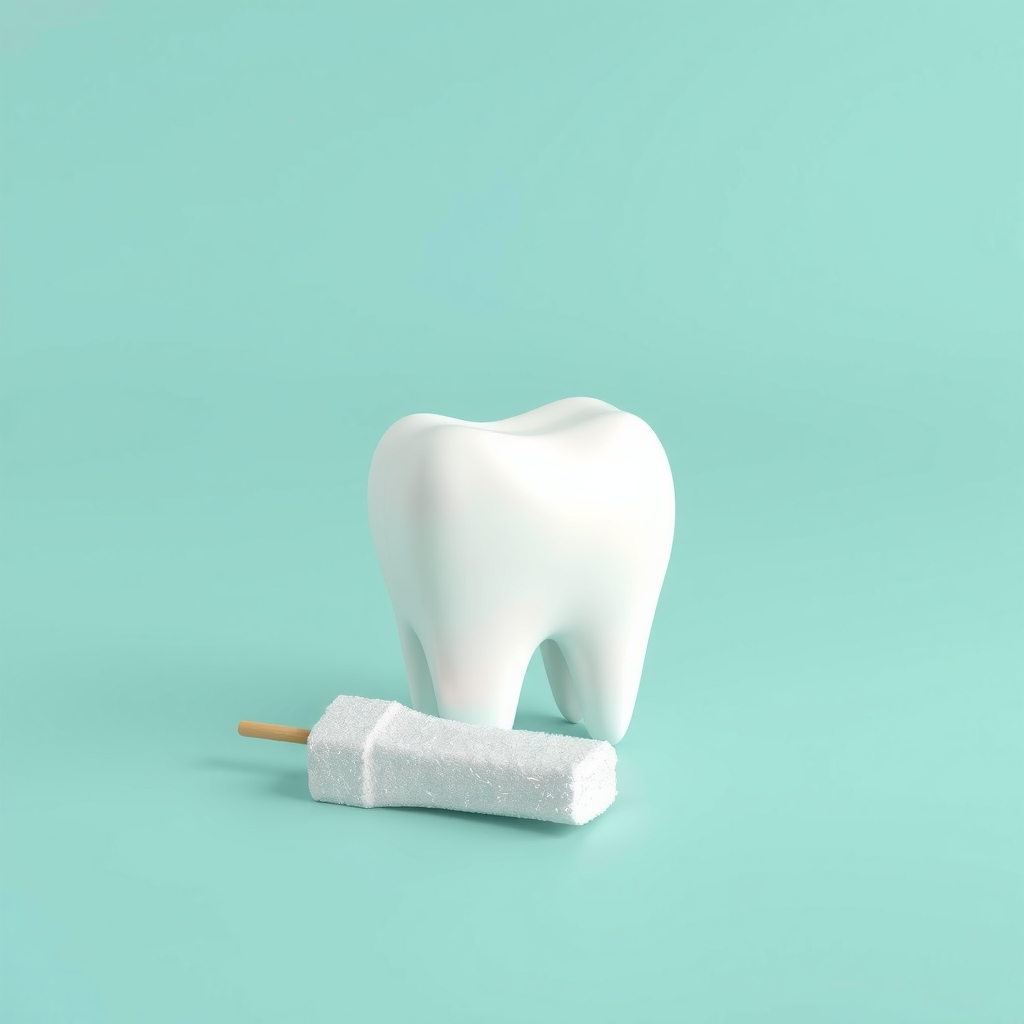
Regular sugary gum does the opposite of what you want. Every time you chew it, you bathe your teeth in a steady supply of sugar for extended periods. Bacteria in plaque feed on this sugar and release acids that attack enamel. Unlike a quick sugary snack, gum chewing can stretch this acid attack over many minutes, which adds up to more cumulative damage over a day.
If you enjoy chewing gum regularly, switching to a sugar-free version is one of the simplest changes you can make for your long-term oral health.
Can Chewing Gum Harm Your Jaw?
Gum is generally safe in moderation, but overuse can create problems with the temporomandibular joint, commonly called the TMJ, which connects your jawbone to your skull. Constant chewing for hours at a stretch, or chewing very firm or sticky gum, places repetitive strain on the jaw muscles and joint.
This can lead to:
- Jaw soreness or fatigue, especially on one side
- Clicking or popping sounds when opening the mouth
- Headaches linked to jaw muscle tension
- Worsening of existing TMJ disorders or teeth grinding habits
If you already grind your teeth at night or have a history of jaw clicking, it is worth cutting back on daytime gum chewing or asking our dentists for guidance during your next visit to our Vasundhara, Ghaziabad clinic.
Sensible Guidelines for Chewing Gum
| Situation | Suggested Approach |
|---|---|
| After meals when brushing is not possible | Chew sugar-free gum for 15 to 20 minutes |
| Choosing a gum type | Prefer sugar-free, xylitol-based gum over sugary varieties |
| Daily frequency | Limit to two or three short sessions a day |
| Existing jaw pain or TMJ issues | Avoid gum or chew only briefly, after dental advice |
| Children under 5 years | Generally avoid due to choking risk |
Who Should Be Careful with Gum
Gum is not suitable for everyone. People with dental fillings, crowns, or bridges should be cautious, since sticky gum can occasionally pull at restorations. Those with braces should avoid gum altogether unless their orthodontist says otherwise, as it can get stuck in brackets and wires. Anyone with diagnosed TMJ disorder should also limit or avoid frequent chewing.
The Bottom Line
Used wisely, sugar-free chewing gum is a small but useful tool for protecting your teeth between brushings. Sugary gum, on the other hand, offers little benefit and adds to your risk of cavities. As with most things related to oral health, moderation and the right choice of product make all the difference. If you have questions about your specific dental history or existing dental work, our team at RAMS Dental Clinic in Vasundhara, Ghaziabad can guide you during a routine checkup.
Have questions about your teeth?
RAMS Dental Clinic · Avaj Tower, 438, Sector 12, Vasundhara, Ghaziabad
Frequently asked questions
How long should I chew sugar-free gum after eating?
About 15 to 20 minutes is enough. This gives your saliva time to neutralise acids and wash away food particles without overworking your jaw.
Can chewing gum replace brushing and flossing?
No. Gum is a helpful add-on, not a substitute. You still need to brush twice daily and floss once a day to remove plaque properly.
Is xylitol gum better than regular sugar-free gum?
Xylitol gum has extra benefit because xylitol can reduce the bacteria that cause cavities, not just sweeten the gum without sugar.
Can chewing gum cause jaw pain?
Yes, if you chew too often or for too long. Overuse can strain the jaw joint and chewing muscles, leading to soreness or clicking.
Treatment costs mentioned on this page are indicative ranges for the Vasundhara, Ghaziabad region. Your exact cost depends on your case and will be confirmed after a clinical examination at the clinic.