How Gum Disease Can Affect Your Heart Health
Many patients in Vasundhara, Ghaziabad are surprised to learn that the health of their gums can be connected to the health of their heart. While a toothache might seem unrelated to cardiovascular disease, growing scientific research points to a real biological link between gum disease and heart problems. Understanding this connection can help you take oral hygiene more seriously, not just for a healthy smile, but for your overall well-being.
What Is Gum Disease?
Gum disease, also called periodontal disease, starts when plaque, a sticky film of bacteria, builds up along the gum line. If not removed through regular brushing and flossing, plaque hardens into tartar and irritates the gums. This leads to gingivitis, which causes redness, swelling, and bleeding. Left untreated, gingivitis can progress to periodontitis, a more serious infection that damages the gum tissue and the bone supporting your teeth.
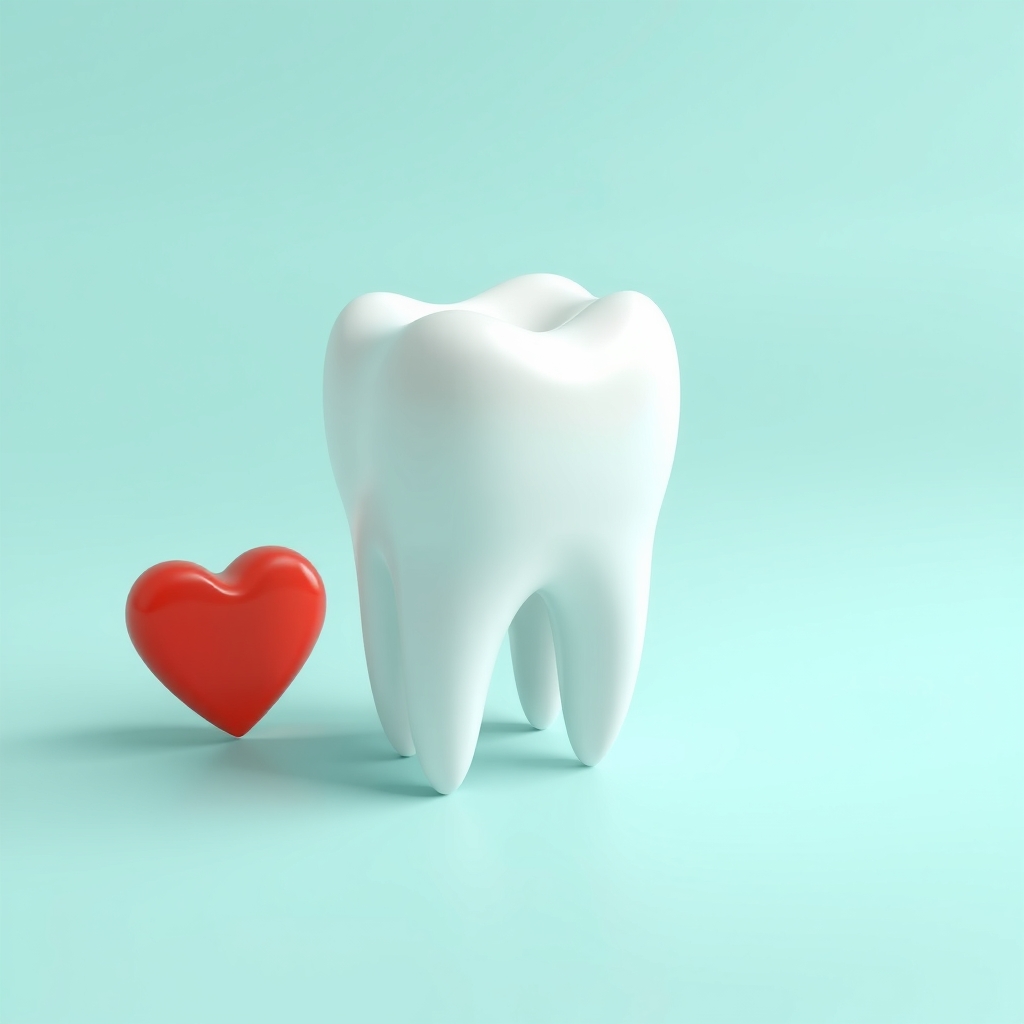
The Science Behind the Gum-Heart Connection
Researchers have found several ways in which gum disease may influence cardiovascular health:
- Bacteria entering the bloodstream: Inflamed, bleeding gums create an entry point for oral bacteria to travel into the bloodstream. Some of these bacteria have been detected in the fatty plaques found in clogged arteries.
- Chronic inflammation: Gum disease is an inflammatory condition. When inflammation persists in the body over a long period, it may contribute to the hardening and narrowing of arteries, a process linked to heart disease and stroke.
- Shared risk factors: Smoking, diabetes, and poor diet increase the risk of both gum disease and heart disease, which may partly explain why the two conditions often appear together.
- Immune system response: The body's response to ongoing oral infection may trigger markers in the blood, such as C-reactive protein, which is also associated with higher cardiovascular risk.
What the Research Says
Multiple studies have found that people with periodontitis have a higher likelihood of developing heart disease compared to those with healthy gums. However, researchers are careful to note that this is an association, not direct proof that gum disease causes heart attacks or strokes. Still, the evidence is strong enough that major dental and medical organisations recommend taking gum health seriously as part of overall heart disease prevention.
Warning Signs of Gum Disease
Catching gum disease early can help protect both your oral and overall health. Watch for these symptoms:
- Gums that bleed when brushing or flossing
- Red, swollen, or tender gums
- Persistent bad breath
- Gums that appear to be pulling away from teeth
- Loose teeth or changes in bite
Protecting Your Gums and Your Heart
The good news is that gum disease is largely preventable and treatable with consistent care. Here are some practical steps:
- Brush twice daily with a fluoride toothpaste and a soft-bristled brush
- Floss daily to remove plaque between teeth where a brush cannot reach
- Avoid smoking and tobacco use, both of which worsen gum disease
- Manage conditions like diabetes, which can increase gum disease risk
- Visit your dentist regularly for professional cleanings and check-ups
Why Regular Dental Visits Matter
Professional cleanings remove hardened tartar that brushing alone cannot clear. At our clinic in Avaj Tower, Sector 12, Vasundhara, we often see patients who were unaware they had early-stage gum disease simply because it can develop without obvious pain. Routine dental visits help catch these issues early, before they progress and potentially contribute to broader health concerns.
A Two-Way Conversation With Your Doctor
If you already have a heart condition or risk factors like high blood pressure or high cholesterol, it is worth mentioning this to your dentist. Likewise, if you have ongoing gum problems, it may be useful to share this with your physician. Oral health and overall health are connected, and keeping both your dentist and doctor informed allows for more complete care.
Taking care of your gums is a simple, practical step that supports your overall health. If you have noticed bleeding gums, bad breath, or other signs of gum disease, it is worth getting a professional evaluation rather than waiting for symptoms to worsen.
Have questions about your teeth?
RAMS Dental Clinic · Avaj Tower, 438, Sector 12, Vasundhara, Ghaziabad
Frequently asked questions
Does treating gum disease lower heart disease risk?
Research shows treating gum disease improves markers of inflammation and blood vessel function, but it is not a replacement for standard heart disease prevention like managing blood pressure, cholesterol, and lifestyle factors.
Can bad breath mean I have a heart problem?
Not directly. Bad breath usually points to gum disease, dry mouth, or other oral issues. However, since gum disease itself is linked to heart health, persistent bad breath is a good reason to get your gums checked.
How often should I get a dental check-up to protect my heart health?
Most dentists recommend a check-up and cleaning every six months. If you already have gum disease or a heart condition, your dentist may suggest more frequent visits.
Are children at risk from this gum-heart connection?
The strongest evidence applies to adults with chronic gum disease. Still, teaching children good oral hygiene early helps prevent gum problems later in life.
Treatment costs mentioned on this page are indicative ranges for the Vasundhara, Ghaziabad region. Your exact cost depends on your case and will be confirmed after a clinical examination at the clinic.