Oil Pulling and Oral Health: What the Science Actually Says
If you have spent time researching natural oral care remedies, you have likely come across oil pulling. This ancient Ayurvedic practice has gained renewed popularity through social media and wellness blogs, with claims ranging from whiter teeth to detoxified gums. Many patients visiting us from Vasundhara, Ghaziabad ask whether this simple home remedy can replace their regular brushing routine or dental visits. Here is an honest, evidence based look at what oil pulling can and cannot do.
What Is Oil Pulling?
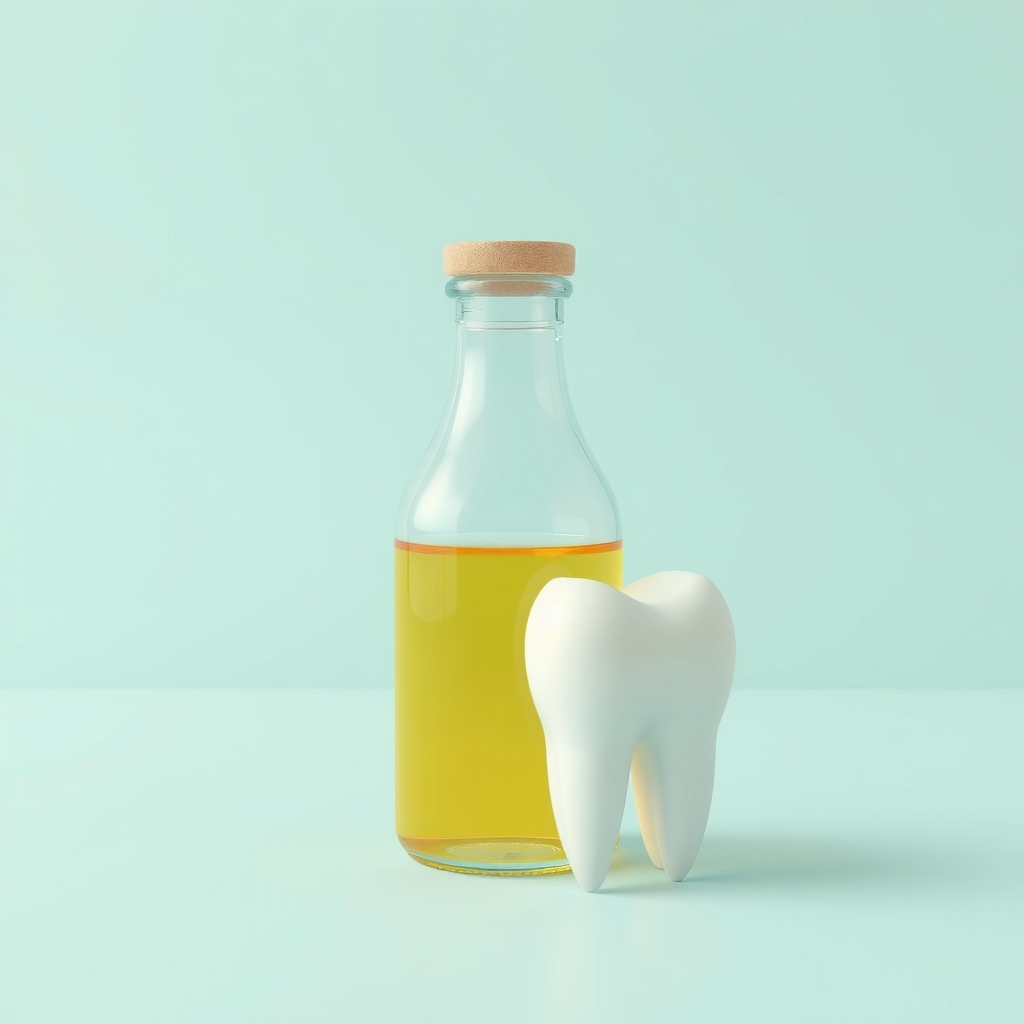
Oil pulling is a traditional practice that involves swishing a tablespoon of oil, typically coconut, sesame, or sunflower oil, in your mouth for several minutes before spitting it out. It originated in ancient Indian Ayurvedic medicine and was traditionally believed to draw out toxins from the body through the mouth.
The basic steps are simple. You take about one tablespoon of oil, swish it around your mouth and between your teeth for 10 to 20 minutes, then spit it out into a dustbin rather than the sink, and follow up with regular brushing.
What Does the Scientific Evidence Say?
Several small studies have looked at oil pulling, mostly using coconut or sesame oil, and compared it to chlorhexidine mouthwash or plain water rinsing. Here is a summary of the findings:
- Plaque reduction: Some studies show a modest reduction in plaque and gingivitis when oil pulling is used alongside regular brushing, though the effect is generally smaller than that of standard antiseptic mouthwashes.
- Bad breath: A few trials suggest oil pulling may temporarily reduce the bacteria associated with bad breath, similar to how any mechanical swishing action can dislodge food particles and bacteria.
- Cavity prevention: There is currently no strong scientific evidence that oil pulling prevents cavities or reverses tooth decay.
- Whitening: Claims of teeth whitening through oil pulling are largely anecdotal and not supported by controlled research.
It is worth noting that most studies on oil pulling have been small, short term, and of limited quality. This means the results should be viewed as preliminary rather than conclusive.
How Oil Pulling Compares to Standard Dental Care
| Practice | Proven Benefit | Role in Oral Care |
|---|---|---|
| Brushing twice daily | Strong, well established evidence | Essential, non-negotiable |
| Flossing or interdental cleaning | Strong evidence for gum health | Essential, non-negotiable |
| Fluoride toothpaste | Strong evidence for cavity prevention | Essential, non-negotiable |
| Oil pulling | Limited, preliminary evidence | Optional, supplementary at most |
| Regular dental checkups | Strong evidence for early problem detection | Essential, non-negotiable |
Risks and Limitations to Keep in Mind
While oil pulling is generally low risk for healthy adults, there are a few important limitations to understand.
It Cannot Replace Mechanical Cleaning
Brushing and flossing physically remove plaque through friction. Swishing oil alone does not have the same mechanical action, so plaque buildup, tartar formation, and cavities can still occur even with diligent oil pulling.
It Cannot Fix Existing Dental Problems
Oil pulling will not reverse a cavity, heal a cracked tooth, or treat gum disease that has progressed beyond the early stages. Patients who delay professional treatment in favour of home remedies sometimes find their condition has worsened by the time they visit a dentist.
Possible Minor Side Effects
Some people report jaw fatigue or mild nausea from prolonged swishing. Swallowing the oil is not recommended, as it carries bacteria and debris drawn out from the mouth.
Not a Substitute for Fluoride
Unlike fluoride toothpaste, oil pulling offers no proven protection against enamel demineralisation, which is a key factor in preventing cavities.
Our Honest Recommendation
If you enjoy oil pulling as part of your morning routine and find it pleasant, there is likely no harm in continuing it alongside, not instead of, your regular brushing, flossing, and fluoride use. Think of it as a possible supplementary habit rather than a core part of your oral hygiene routine.
For patients in Vasundhara, Ghaziabad looking for reliable oral care guidance, our team at RAMS Dental Clinic is happy to discuss which home practices are worth incorporating and which professional treatments you should not skip. Regular checkups remain the most effective way to catch problems early and keep your smile healthy for the long term.
Have questions about your teeth?
RAMS Dental Clinic · Avaj Tower, 438, Sector 12, Vasundhara, Ghaziabad
Frequently asked questions
Can oil pulling replace brushing and flossing?
No. Oil pulling has no proven ability to remove plaque mechanically the way brushing and flossing do. It should only be used as an extra step, never as a replacement.
Which oil is best for oil pulling?
Coconut oil is the most commonly used and studied option because of its pleasant taste and lauric acid content. Sesame oil is also traditionally used. Neither has strong evidence of being clearly superior.
Is oil pulling safe for everyone?
It is generally safe for most adults when done correctly, but young children should avoid it due to the risk of swallowing or choking. People with jaw joint issues may find the swishing uncomfortable.
How long should I oil pull each day?
Traditional practice suggests swishing for 15 to 20 minutes, but many people find this difficult. Even shorter durations are unlikely to cause harm, though evidence for benefit at shorter times is limited.
Treatment costs mentioned on this page are indicative ranges for the Vasundhara, Ghaziabad region. Your exact cost depends on your case and will be confirmed after a clinical examination at the clinic.