Oral Piercings and Your Dental Health: Risks and Safer Care
Tongue, lip, and cheek piercings are a popular way to express personal style, but they sit very close to teeth, gums, and soft tissue that can be easily injured. If you already have an oral piercing or are thinking about getting one, understanding the risks and following good aftercare can help you avoid dental problems down the line. Patients at our Vasundhara, Ghaziabad clinic often ask us about safe care for existing piercings, and this guide covers what you need to know.
How Oral Piercings Can Harm Teeth and Gums
The mouth is a warm, moist environment that is constantly in motion, which makes it different from piercings on the ear or skin. Jewellery placed on the tongue, lip, or cheek can rub against teeth and gum tissue thousands of times a day.
Chipped or Cracked Teeth
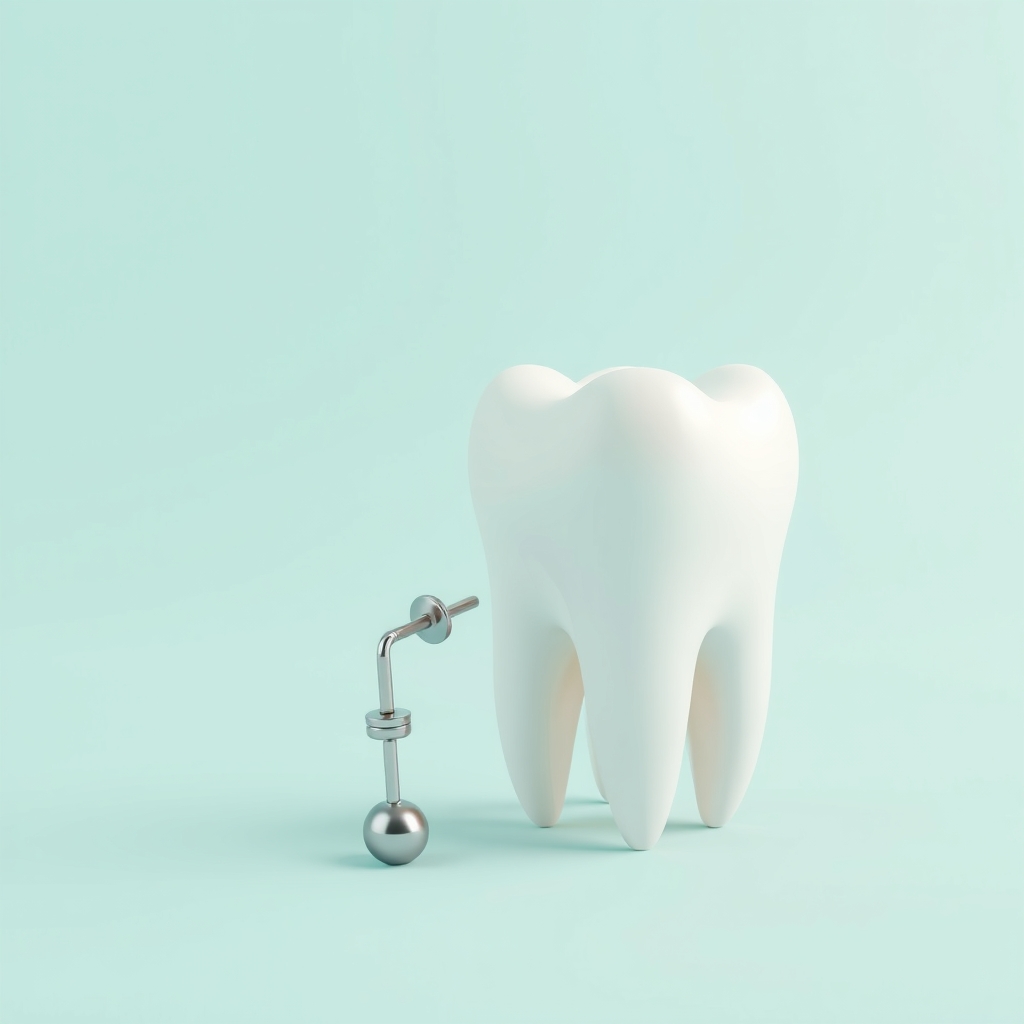
Metal barbells can click against the front teeth or molars during talking, eating, or sleeping. Over months and years, this repeated contact can chip enamel or even crack a tooth, sometimes without the person noticing until the damage is significant.
Gum Recession
Lip and cheek piercings often rest against the gum line on the inside of the mouth. Constant rubbing can wear away gum tissue, exposing the tooth root. Receding gums do not grow back on their own and can lead to sensitivity and a higher risk of decay near the root.
Infection and Swelling
The tongue has a rich blood supply, so infections can spread quickly if proper hygiene is not followed. Signs of infection include spreading redness, pus, persistent bad taste, or fever. Any of these symptoms need prompt medical attention.
Nerve Damage and Numbness
Piercing too deep or at the wrong angle can injure nerves in the tongue or lip, sometimes causing temporary or lasting numbness, altered taste, or difficulty controlling movement.
Choking and Swallowing Risk
Loose jewellery balls or bars can come free and be swallowed or, in rarer cases, inhaled into the airway. This is one of the more serious risks associated with oral piercings.
Safer Care Practices for Oral Piercings
If you already have an oral piercing, these habits can lower your risk of complications.
- Clean the piercing site and rinse your mouth with an alcohol-free antimicrobial rinse after meals, as advised by your piercer or dentist.
- Brush gently around the jewellery and floss as usual, taking care not to catch floss on the barbell.
- Check that the jewellery is snug and not loose at least once a week.
- Avoid clicking or playing with the jewellery against your teeth, a common habit that causes slow enamel wear.
- Choose a shorter barbell once initial swelling goes down, since a long bar increases the chance of chewing on it or hitting teeth.
- Consider switching to a plastic or PTFE barbell after healing to reduce the impact on tooth enamel.
- Avoid spicy, acidic, or very hot food while the area is healing, as these can irritate fresh piercings.
- Remove jewellery during contact sports or any activity with a risk of facial impact.
When to See a Dentist
Routine dental checkups are especially important if you have an oral piercing. Your dentist can watch for early enamel wear, gum recession, or small cracks before they turn into bigger problems. Visit sooner if you notice:
- A tooth that feels rough, sharp, or sensitive to cold
- Gums that look thinner or redder near the jewellery
- Persistent swelling, pain, or an unusual taste in the mouth
- Jewellery that feels loose or has visibly shifted position
Weighing the Decision Before Getting Pierced
If you are considering an oral piercing, talk to your dentist first, particularly if you grind your teeth, have crowded teeth, or have a history of gum problems. These factors can increase the chances of complications. A quick checkup beforehand can help you understand your personal risk and make an informed choice.
| Piercing type | Common oral health risks |
|---|---|
| Tongue | Chipped teeth, gum recession, swelling, nerve irritation |
| Lip | Gum recession on inner lip side, enamel wear on front teeth |
| Cheek | Irritation of inner cheek tissue, gum recession near back teeth |
Oral piercings can be managed safely with good hygiene, sensible jewellery choices, and regular dental visits. If you live in or around Vasundhara, Ghaziabad and want a professional check on your piercing site or general oral health, our team is happy to help you keep both your smile and your style intact.
Have questions about your teeth?
RAMS Dental Clinic · Avaj Tower, 438, Sector 12, Vasundhara, Ghaziabad
Frequently asked questions
How long does swelling last after a tongue piercing?
Swelling is usually highest in the first 3 to 5 days and settles within one to two weeks. If swelling worsens after day three, gets in the way of breathing, or comes with fever, seek medical care right away.
Can I keep my oral piercing forever without problems?
Some people wear oral piercings for years with few issues, but the risk of chipped teeth, gum recession, and tissue damage tends to build up over time, especially with metal barbells that are clicked against teeth.
Is a plastic or acrylic barbell safer than metal?
Plastic or PTFE barbells are softer and cause less enamel wear if the jewellery contacts teeth, so many dentists suggest switching to these after the initial healing phase, especially for tongue piercings.
Should I remove my piercing before a dental checkup?
You do not have to remove it, but let your dentist know you have an oral piercing so they can check the surrounding gums, teeth, and tissue carefully during your visit.
Treatment costs mentioned on this page are indicative ranges for the Vasundhara, Ghaziabad region. Your exact cost depends on your case and will be confirmed after a clinical examination at the clinic.