Why Do People Grind Their Teeth at Night? Causes, Signs, and Night Guard Protection
Many people in Vasundhara, Ghaziabad visit the dentist complaining of jaw pain, headaches, or teeth that look shorter than before, only to learn that nighttime teeth grinding is the cause. This habit, known medically as bruxism, often happens without the person even realising it. Understanding why it occurs and how it can be managed helps protect your teeth from long-term damage.
What Causes Teeth Grinding at Night
Bruxism is usually linked to a combination of physical and lifestyle factors rather than a single cause. Common triggers include:
- Stress and anxiety: Emotional tension often shows up physically, and clenching or grinding the jaw is a common outlet during sleep.
- Bite misalignment: When upper and lower teeth do not meet evenly, the jaw muscles may grind to find a more comfortable position.
- Sleep disorders: Conditions like sleep apnea are closely associated with increased grinding episodes.
- Lifestyle habits: High caffeine intake, smoking, and alcohol consumption can increase the likelihood of grinding.
- Certain medications: Some antidepressants and stimulants have been linked to bruxism as a side effect.
Warning Signs You Should Not Ignore
Since grinding happens during sleep, many people are unaware they do it until a partner mentions the noise or a dentist notices the effects. Watch for these signs:
- Waking up with a sore or tight jaw
- Dull headaches near the temples, especially in the morning
- Increased tooth sensitivity to hot or cold
- Flattened, chipped, or worn-down tooth edges
- Clicking or discomfort in the jaw joint (TMJ)
- Indentations on the tongue or cheek lining
If you notice several of these signs together, it is worth getting your teeth and jaw examined rather than waiting for the discomfort to worsen.
Why Grinding Damages Teeth Over Time
Teeth are designed to handle normal biting and chewing forces, but grinding applies repeated pressure far beyond that range, often for hours during sleep. Over time, this can lead to:
- Gradual wearing down of the tooth's outer enamel
- Increased risk of cracks or fractures
- Loosening of teeth due to stress on supporting structures
- Jaw joint strain leading to chronic discomfort
- Higher chances of needing crowns or other restorative treatment later
Because enamel does not regenerate once it is worn away, early management is far more practical than repairing extensive damage afterward.
How Custom Night Guards Help
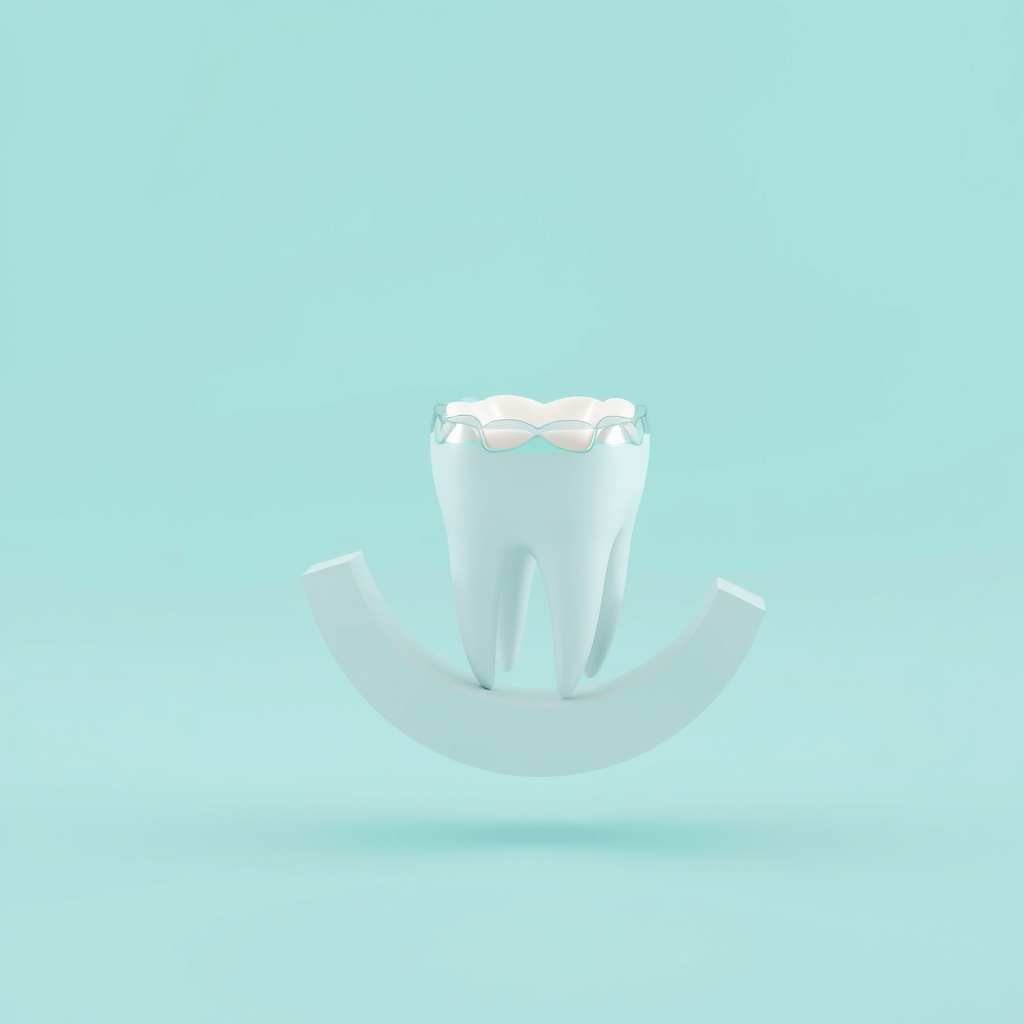
A custom night guard is a thin, dentist-made appliance that fits precisely over your teeth. It works as a protective barrier between the upper and lower jaw, absorbing the force of grinding so your teeth do not bear the impact directly.
Benefits of a Custom-Fitted Guard
- Distributes grinding pressure evenly, reducing strain on individual teeth
- Prevents further enamel wear and cracking
- Eases pressure on the jaw joint, often reducing morning stiffness
- Fits securely and comfortably since it is made from an impression of your own teeth
- More durable than generic, store-bought alternatives
What to Expect During the Process
Getting a custom night guard usually involves a short dental visit where impressions or digital scans of your teeth are taken. These are used to create a guard that matches your bite precisely. Your dentist will also check for signs of bite misalignment or jaw joint issues that may need separate attention.
| Night Guard Type | Typical Range (INR) |
|---|---|
| Basic custom night guard | 1,500 to 3,500 |
| Advanced/dual-laminate guard | 3,500 to 7,000 |
These are general estimates for reference only. Your dentist will confirm the right option and cost after examining your teeth and grinding pattern.
Managing Grinding Beyond the Night Guard
While a night guard protects your teeth, addressing the underlying cause can reduce grinding frequency over time. This may include stress management techniques, cutting back on caffeine in the evening, improving sleep quality, or treating an underlying sleep disorder if diagnosed. Combining these steps with a night guard gives the most complete protection for your dental health.
If you notice jaw pain, headaches, or unusual tooth wear, getting a professional evaluation at a dental clinic in Vasundhara, Ghaziabad can help identify whether bruxism is the cause and guide you toward the right protective solution.
Have questions about your teeth?
RAMS Dental Clinic · Avaj Tower, 438, Sector 12, Vasundhara, Ghaziabad
Frequently asked questions
Can teeth grinding go away on its own?
Mild, occasional grinding linked to short-term stress may settle down once the stress passes. However, frequent or long-term grinding usually needs a night guard and sometimes lifestyle changes, since it rarely disappears completely without support.
Are over-the-counter night guards as good as custom ones?
Store-bought guards are bulky, wear out fast, and can shift or fall out during sleep. A custom-made guard fits your exact bite, stays in place, and lasts much longer, making it a more reliable long-term option.
How do I know if my headaches are related to grinding?
If you wake up with a dull headache near your temples, along with jaw soreness or tight facial muscles, grinding is a likely cause. A dental check-up can confirm this by examining your teeth and jaw joints.
How long does a custom night guard last?
With proper care, a custom night guard typically lasts one to three years, depending on how heavily you grind and how well you maintain it. Regular dental check-ups help track wear and timing for replacement.
Treatment costs mentioned on this page are indicative ranges for the Vasundhara, Ghaziabad region. Your exact cost depends on your case and will be confirmed after a clinical examination at the clinic.