Why Does My Jaw Click, Lock or Ache? Understanding TMJ Disorder
If you have ever felt your jaw click when you yawn, catch or lock while eating, or ache dully near your ear, you are dealing with a common condition called temporomandibular joint disorder, often shortened to TMJ disorder. At RAMS Dental Clinic in Vasundhara, Ghaziabad, this is one of the more misunderstood problems we see, mainly because people assume it is always caused by teeth grinding. In reality, the jaw joint is a complex hinge, and several different factors can affect how it moves.
What Is the Temporomandibular Joint?
The temporomandibular joint (TMJ) connects your lower jaw to your skull, just in front of each ear. It allows you to talk, chew, and yawn. Because it is used constantly throughout the day, even small imbalances in how it moves can lead to noticeable symptoms over time.
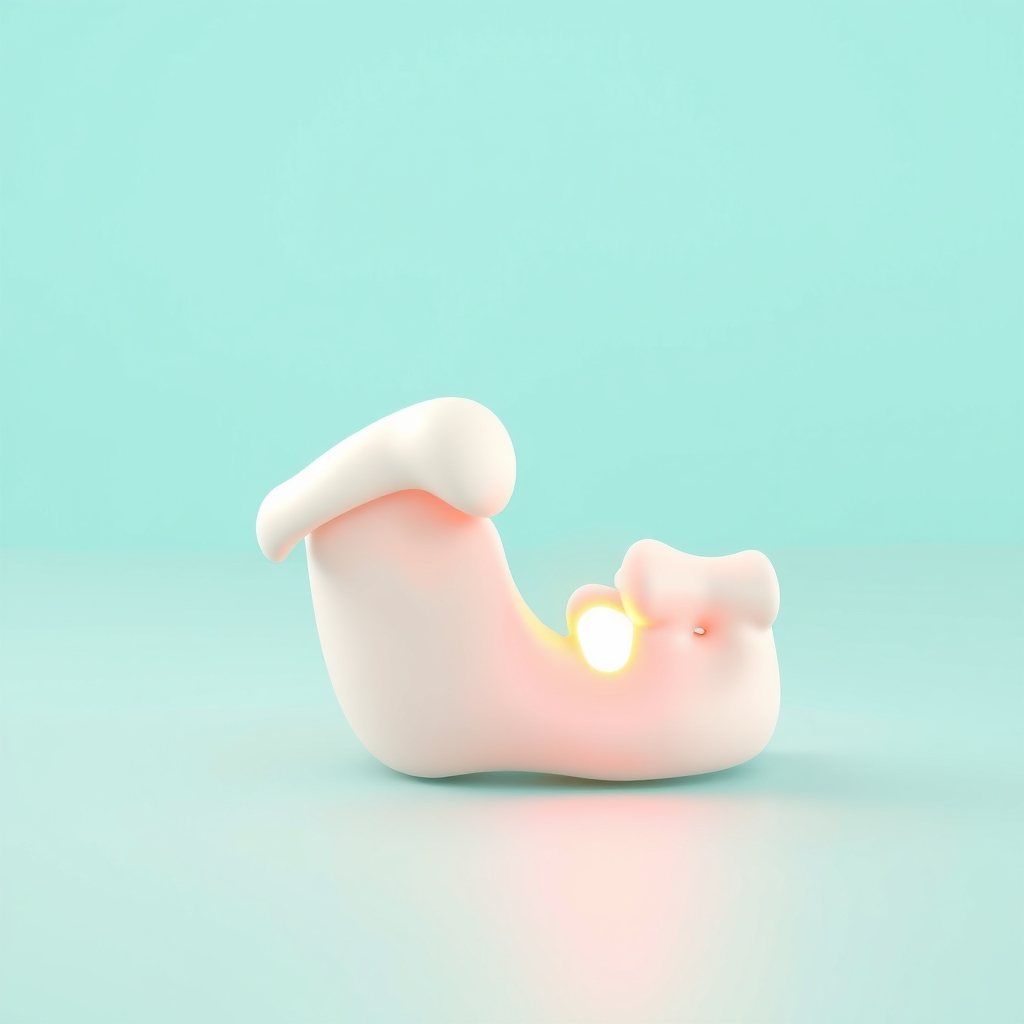
Common Symptoms of TMJ Disorder
- Clicking, popping, or grinding sound when opening or closing the mouth
- Jaw locking, either briefly or for longer periods
- Pain or tenderness near the jaw, ear, temple, or cheek
- Difficulty chewing or a feeling that the bite does not fit right
- Headaches, especially around the temples
- Stiffness or reduced ability to open the mouth wide
Causes Beyond Teeth Grinding
Teeth grinding (bruxism) is a well-known contributor to TMJ disorder, but it is far from the only one. Understanding the fuller picture helps in choosing the right treatment.
Jaw Injury or Trauma
A blow to the jaw, a fall, or even a wide yawn can strain the joint or the surrounding muscles and ligaments, leading to lasting discomfort.
Arthritis
Like other joints in the body, the TMJ can be affected by osteoarthritis or rheumatoid arthritis, which wears down joint cartilage and causes stiffness or pain.
Poor Bite Alignment
When upper and lower teeth do not meet evenly, the jaw muscles may work harder or shift position to compensate, straining the joint over time.
Stress and Muscle Tension
Many people unconsciously clench their jaw during stressful periods, even without grinding their teeth at night. This constant muscle tension can inflame the joint.
Postural Habits
Resting the chin on a hand, sleeping on one side with pressure on the jaw, or poor neck posture during long hours at a desk can all contribute to jaw strain.
Joint Structure Issues
In some people, the small disc that cushions the joint can shift out of its normal position, causing clicking or locking without any external cause like grinding.
Is TMJ Disorder Serious?
In most cases, TMJ disorder is uncomfortable rather than dangerous. Occasional clicking without pain is common and often does not need treatment. However, ongoing pain, frequent locking, or difficulty eating should be checked, since untreated joint strain can worsen and affect daily comfort and nutrition.
Treatment Options
Treatment depends on the underlying cause and how severe the symptoms are. Most people improve significantly with conservative, non-surgical care.
- Self-care measures: Eating softer foods, avoiding wide yawning or chewing gum, and applying warm compresses can ease mild symptoms.
- Night guards or splints: A custom-fitted guard reduces pressure on the joint, especially if grinding or clenching is involved.
- Bite correction: If misaligned teeth are contributing to the problem, adjustments or orthodontic evaluation may be recommended.
- Physiotherapy and jaw exercises: Gentle stretching and strengthening exercises can improve joint mobility and reduce muscle tension.
- Stress management: Since clenching is often linked to stress, relaxation techniques can meaningfully reduce symptoms.
- Medication: Short-term use of anti-inflammatory medication may help during flare-ups, under professional guidance.
Surgical intervention is rarely needed and is reserved for structural problems that do not respond to conservative treatment.
| Treatment | Typical Use Case |
|---|---|
| Night guard | Grinding or clenching related joint strain |
| Bite adjustment | Misaligned teeth affecting joint function |
| Physiotherapy | Muscle tension or limited jaw movement |
| Medication | Short-term pain or inflammation relief |
When to Get It Checked
If jaw clicking is accompanied by pain, your jaw locks even briefly, or you notice a change in how your teeth fit together, it is worth getting evaluated. Early assessment often means simpler, more comfortable treatment. At RAMS Dental Clinic, Vasundhara, Ghaziabad, we assess the jaw joint, bite, and muscle patterns together to identify the actual cause before recommending any treatment.
Have questions about your teeth?
RAMS Dental Clinic · Avaj Tower, 438, Sector 12, Vasundhara, Ghaziabad
Frequently asked questions
Is a clicking jaw always a sign of TMJ disorder?
Not necessarily. Many people have occasional jaw clicking with no pain or restriction, which usually needs no treatment. It becomes a concern when clicking is paired with pain, locking, or difficulty opening the mouth fully.
Can TMJ disorder go away on its own?
Mild cases often improve with rest, soft food, and self-care habits within a few weeks. Persistent or worsening symptoms should be evaluated so the cause can be identified and managed properly.
Will I need surgery for jaw joint problems?
Most people never need surgery. The vast majority of TMJ disorders respond well to conservative measures like night guards, physiotherapy, and lifestyle changes. Surgery is considered only in rare, severe, or structural cases.
Should I see a dentist or a doctor for jaw pain?
A dentist experienced in TMJ evaluation is usually the right first step, since jaw joint issues are closely linked to bite alignment and dental habits. They can refer you further if needed.
Treatment costs mentioned on this page are indicative ranges for the Vasundhara, Ghaziabad region. Your exact cost depends on your case and will be confirmed after a clinical examination at the clinic.